Top Tips for Home Drain Maintenance in Sauk Rapids
Maintaining your home’s drains in Sauk Rapids is crucial for avoiding expensive issues in the future. Given the area’s unique weather patterns, including heavy rainfall and seasonal snowmelt, regular inspections and straightforward cleaning tasks can significantly impact your drainage system’s efficiency. It’s not only about ensuring water flows freely; it’s also about safeguarding your property from potential water damage caused by clogs or backups. Are you familiar with the most effective strategies to keep your drainage system in excellent condition? Let’s delve into some essential tips that can help you save both time and money while addressing local challenges.
One key consideration for homeowners in Sauk Rapids is the accumulation of leaves and debris in the fall, which can lead to clogged gutters and drains. Regularly clearing out gutters and downspouts is essential to prevent water from overflowing and causing damage to your home’s foundation.
Additionally, during the spring thaw, be mindful of how melting snow can affect your drainage. Ensure that your yard’s grading directs water away from the foundation and that any drainage ditches are clear of blockages.
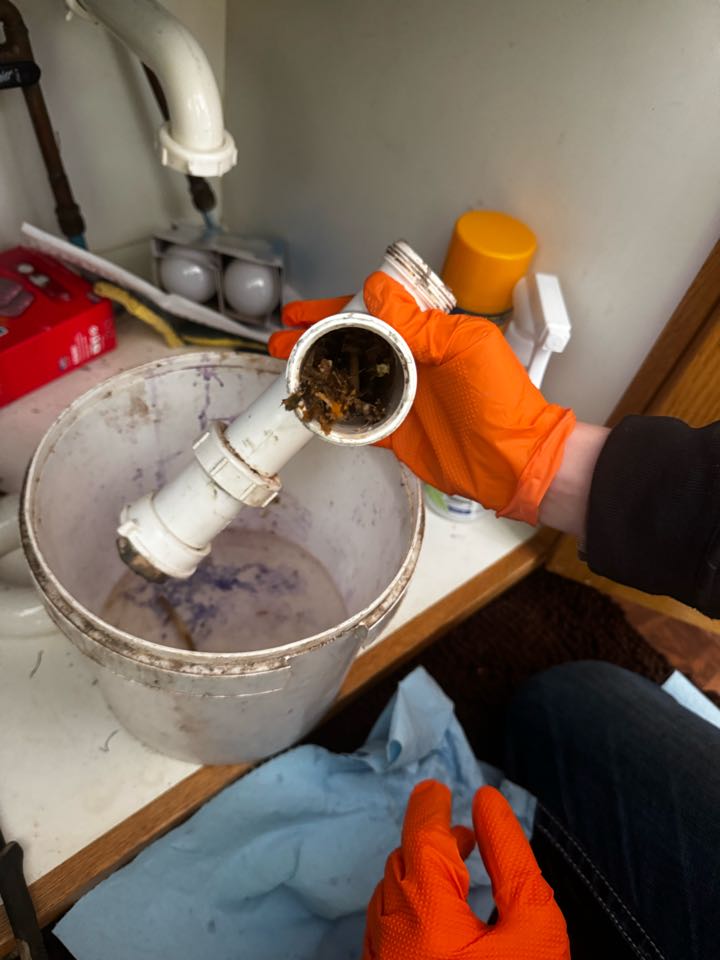
Another important aspect of drain maintenance is being cautious about what goes down your sinks and toilets. Avoid flushing items that can lead to clogs, and consider using drain screens to capture hair and food particles.
Lastly, it can be beneficial to schedule periodic professional inspections to identify potential drainage issues early on. This proactive approach can help mitigate risks associated with water damage and ensure your drainage system remains in optimal condition throughout the year. By prioritizing these maintenance tasks, you can protect your home from the challenges posed by Sauk Rapids’ climate.
Understand Your Drainage System
To keep your home’s drainage system running efficiently, it’s crucial to understand how it functions, especially in the context of local weather patterns and soil conditions. Your drainage system is designed to channel water away from your property, preventing flooding and water damage that can be prevalent in areas with heavy rainfall or clay-rich soil.
Familiarize yourself with the various components, including downspouts, pipes, and the main sewer line. Each part plays a significant role in managing water flow, particularly during intense storms common in the region.
Pay close attention to how water moves during rainstorms, as this can help you identify potential issues unique to your area, such as pooling in low-lying spots or slow drainage due to soil saturation. Knowing where your drainage system connects to the municipal sewer or septic system is also critical, especially if your neighborhood has older infrastructure that may be prone to blockages.
Regularly Clean Your Gutters
Gutters serve as your home’s first line of defense against water damage, making regular cleaning crucial, especially in areas prone to heavy rainfall or seasonal storms.
In regions where pine trees are prevalent, for example, you may find that your gutters collect not only leaves and twigs but also pine needles that can quickly clog the system. Clogged gutters can cause water to overflow, which may lead to damage to your roof, walls, and foundation.
To prevent these issues, it’s advisable to clean your gutters at least twice a year, with spring and fall being the most effective times.
Begin by removing any accumulated leaves, twigs, and debris, paying special attention to the unique flora in your area that may contribute to gutter blockages. After clearing the debris, flush the gutters with water to ensure they’re clear.
If you aren’t comfortable working at heights, it may be wise to enlist the help of a professional who understands the specific challenges posed by your local environment.
In addition to regular cleaning, consider installing gutter guards, especially if your home is surrounded by trees, as these can significantly reduce the amount of debris that enters your gutters.
Inspect and Maintain Downspouts
After ensuring your gutters are clean, it’s essential to focus on your downspouts. In regions prone to heavy rainfall or seasonal storms, blockages can occur more frequently. Leaves, dirt, and debris can easily accumulate, particularly in the fall or after intense weather events.
If you notice any clogs, utilizing a plumber’s snake or a garden hose can be effective in clearing them out.
Next, take the time to inspect the downspouts for any leaks or damage. In areas with fluctuating temperatures, small cracks can develop, leading to significant water issues later on.
If you discover any problems, sealing them with appropriate waterproof tape or considering replacement of the damaged section can help prevent further complications.
Finally, ensure that the downspouts are directing water away from your foundation. This is particularly crucial in regions with clay soil, which can expand and contract, causing foundation issues.
You can use extensions or splash blocks to assist with this redirection. Regular inspections can help you avoid costly repairs in the future, especially in climates where heavy rain can lead to rapid soil saturation.
Use Drain Covers and Screens
Given the local climate and common household activities, drains in this area can quickly become overwhelmed with debris. Using drain covers and screens is a wise decision to safeguard your plumbing system from the specific challenges faced here.
These straightforward devices serve as protective barriers, effectively capturing hair, food particles, and other materials that could potentially clog your pipes. By installing them in sinks, showers, and tubs, you can significantly mitigate the risk of blockages that are often exacerbated by local conditions.
Regular maintenance of the covers and screens is essential to ensure their effectiveness. Neglecting to clean them can lead to buildup, which may result in overflow or unpleasant odors, particularly during peak usage times.
Opt for covers that fit securely and are easy to remove for cleaning to make the upkeep process more manageable. By investing in durable drain covers and screens, you not only prevent potential plumbing issues but also enhance the longevity of your drainage system, making it more resilient against the unique challenges present in the area.
Avoid Pouring Grease and Oil Down the Drain
Even with effective drain covers and screens in place, you still need to be mindful of what goes down your drains. One of the biggest culprits of clogged pipes in our area is grease and oil. When you pour these substances down the drain, they cool and solidify, creating blockages that can be particularly challenging to remove, especially given the unique plumbing infrastructure in many local homes.
Instead, allow grease to cool and then scrape it into the trash. Many households can also benefit from using a container to collect cooking oil, which can then be disposed of properly at designated recycling centers in the community.
This simple action not only helps keep your drains clear but also prevents unpleasant odors and plumbing issues that can arise in our humid climate.
Remember, taking care of your drains means being responsible about what you pour down them. By avoiding the disposal of grease and oil down the drain, you can help ensure that your plumbing remains in good condition and that local water systems are protected.
Your plumbing will thank you for it!
Schedule Routine Professional Inspections
Scheduling routine professional inspections is essential for maintaining the health of your drains, particularly in areas prone to heavy rainfall or seasonal flooding.
These conditions can lead to unique challenges such as increased debris buildup and potential water damage. Regular check-ups can help identify issues before they escalate into costly repairs.
During these inspections, professionals can clear out stubborn clogs, inspect for leaks, and assess the overall health of your plumbing system. You can enjoy peace of mind knowing that experts are monitoring your drains and can recommend necessary maintenance tailored to your local environment.
Aim to schedule these inspections at least once a year, or more frequently if you notice any warning signs like slow drainage or unusual odors.
Be Mindful of Landscaping Choices
When planning your landscaping, consider how your choices can affect your drainage system, especially in areas prone to heavy rainfall or seasonal flooding.
Opt for plants that are well-suited to the local climate, such as native species that are adept at managing excess water. In regions where clay soil is prevalent, avoid using heavy mulch or dense ground cover that can trap moisture and exacerbate drainage problems.
Instead, think about incorporating permeable materials for walkways or patios, allowing water to naturally seep through and reduce runoff.
Elevating flower beds and creating slight slopes away from your foundation can help direct water flow away from your home, which is particularly beneficial in areas with high water tables.
Additionally, strategically placing trees can aid in absorbing excess water, but be mindful of their root systems, as they may disrupt drainage pipes over time.
Know the Signs of Drain Issues
Recognizing the signs of drain issues is especially important in areas prone to heavy rainfall or older plumbing systems. In such regions, slow drainage in sinks or tubs may indicate a blockage that can worsen with increased water flow.
Additionally, unpleasant odors emanating from your drains can signal a buildup of debris or stagnant water, which can be exacerbated by local environmental factors.
If you hear gurgling sounds when using water fixtures, this may suggest that air is trapped in your pipes, a common issue in areas with fluctuating water pressure.
Pooling water around your drains can indicate a leak or backup, particularly in neighborhoods with aging infrastructure.
Frequent clogs or backups shouldn’t be overlooked, as they can lead to more severe problems down the line.
By staying alert to these signs and addressing them promptly, you can help prevent extensive repairs and ensure a well-functioning drainage system in your home.
Taking local conditions into account will further aid in maintaining a healthy plumbing system.
Use Eco-Friendly Drain Cleaning Methods
Many homeowners in urban areas face unique challenges when it comes to maintaining their drains. With older plumbing systems and heavy rainfall, clogs can become a common issue.
However, you can achieve a clean drain while being eco-conscious by opting for natural methods. These alternatives not only help your plumbing but also protect the planet.
- You’ll feel great knowing you’re reducing chemical usage in your home.
- Your space will smell fresh with natural ingredients, rather than chemical odors.
- You’ll contribute to a healthier ecosystem, especially in regions prone to water contamination.
- It’s satisfying to resolve plumbing issues without relying on harsh cleaners.
Consider using baking soda and vinegar for clogs, as these are effective in breaking down buildup commonly found in older pipes.
Additionally, employing hot water can help dissolve grease that often accumulates in kitchen drains, particularly in areas with high cooking activity.
Keep Your Sewer Line Clear
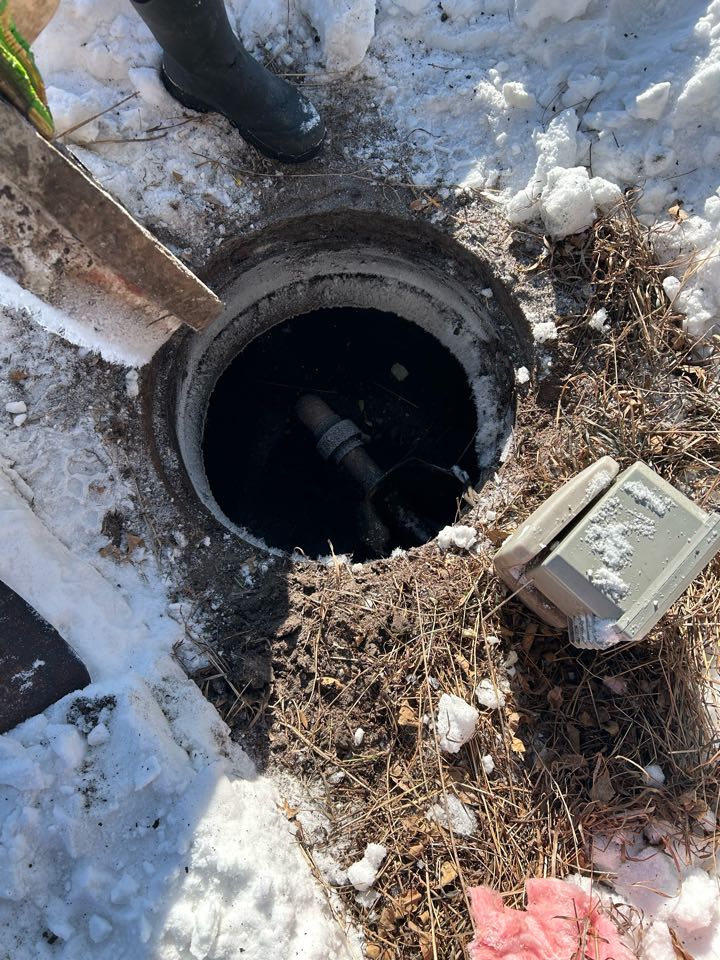
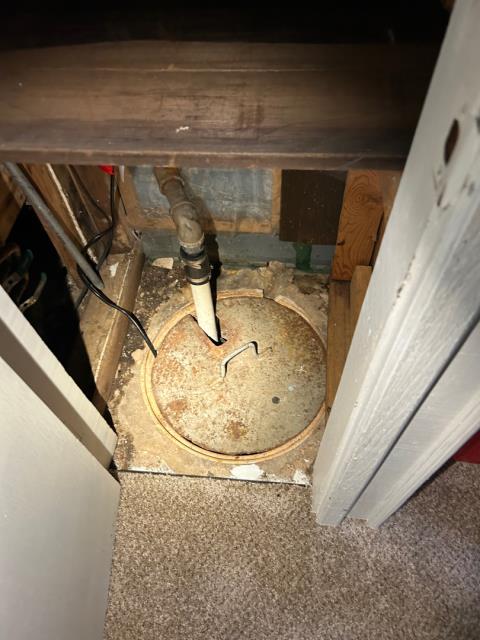
Keeping your drains clean is just one part of maintaining a healthy plumbing system; you also need to focus on your sewer line. In areas prone to heavy rainfall or flooding, regular inspections and clearings of your sewer line are especially crucial to prevent costly repairs down the road.
Keep an eye out for signs of backup, such as slow drains or unpleasant odors, which can be exacerbated by local weather conditions. Using a sewer camera can help identify clogs or damage specific to your region, such as debris washed into your system during storms.
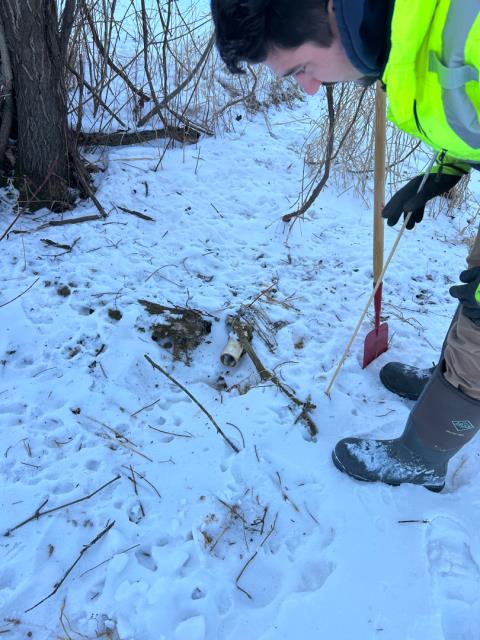
If you notice tree roots intruding into your sewer line or significant buildup, it may be wise to consult a local professional who understands the common challenges in your area. To minimize blockages, avoid flushing anything but toilet paper and human waste, as local sewer systems can have unique vulnerabilities.
Additionally, using enzyme-based cleaners can aid in breaking down buildup without harming your plumbing, especially in older systems that are common in some neighborhoods. By staying proactive and aware of local conditions, you can keep your sewer line clear and your plumbing system running smoothly.
Conclusion
By taking proactive steps for home drain maintenance in Sauk Rapids, you can protect your property from costly damage and ensure your drainage system operates effectively. The unique climate in Sauk Rapids, with its cold winters and potential for heavy rainfall, can lead to specific challenges such as frozen pipes and excess debris accumulation. Regular inspections, proper cleaning, and mindful habits will go a long way in preventing clogs and backups. Be particularly attentive during the spring thaw and after heavy storms, as these times can exacerbate drainage issues. Remember, a little effort now can save you a lot of hassle later. So, stay vigilant and keep those drains clear to enjoy a worry-free home!