Urgent Indicators Your Drains Require Attention
When it comes to plumbing in the local area, you might overlook subtle signs that something is wrong. Foul odors, slow drainage, and gurgling noises can all indicate urgent drain issues specific to our region’s unique infrastructure. If you’re experiencing frequent clogs or even noticing drain flies, it’s crucial to take action. Ignoring these indicators can lead to more significant problems that are often exacerbated by the local climate and soil conditions. So, what should you be vigilant about to ensure your drains are functioning properly?
In our community, heavy rainfall can lead to increased water flow through the drainage system, revealing hidden blockages. Similarly, the presence of tree roots in older plumbing can be a persistent challenge, especially in neighborhoods with mature landscaping. Additionally, the use of certain household products may contribute to buildup and clogs, making it essential to be mindful of what goes down the drain. By staying alert to these signs, you can help maintain the efficiency of your plumbing system and avoid costly repairs in the future.
Foul Odors Emanating From Drains
When you notice foul odors emanating from your drains, especially in areas with high humidity, it’s a clear sign that something’s off. In regions where moisture is prevalent, these unpleasant smells often indicate a buildup of organic matter, bacteria, or even mold lurking in your pipes.
Ignoring these odors can lead to worse problems, including clogs or even health hazards. You might be dealing with food particles trapped in your kitchen sink or sludge forming in your bathroom drains, particularly in older homes where plumbing can be more susceptible to deterioration.
To tackle the issue, start by pouring boiling water down the drains to dislodge any debris. This method can be particularly effective during the rainy season when moisture levels can exacerbate plumbing issues.
If that doesn’t work, consider using a mixture of baking soda and vinegar to break down the buildup. This natural solution can be a great alternative to harsh chemicals that can damage pipes over time.
Don’t let bad smells linger; addressing them promptly can save you from more significant plumbing issues down the line, especially in a community where seasonal flooding can lead to additional strain on drainage systems.
Slow Drainage in Sinks and Tubs
Foul odors aren’t the only sign your drains need attention; slow drainage in sinks and tubs can indicate underlying issues as well.
In humid climates, like those found in coastal areas, the accumulation of mold and mildew can exacerbate drainage problems. When you notice water pooling around your feet while showering or your kitchen sink taking longer to empty, it’s crucial to investigate.
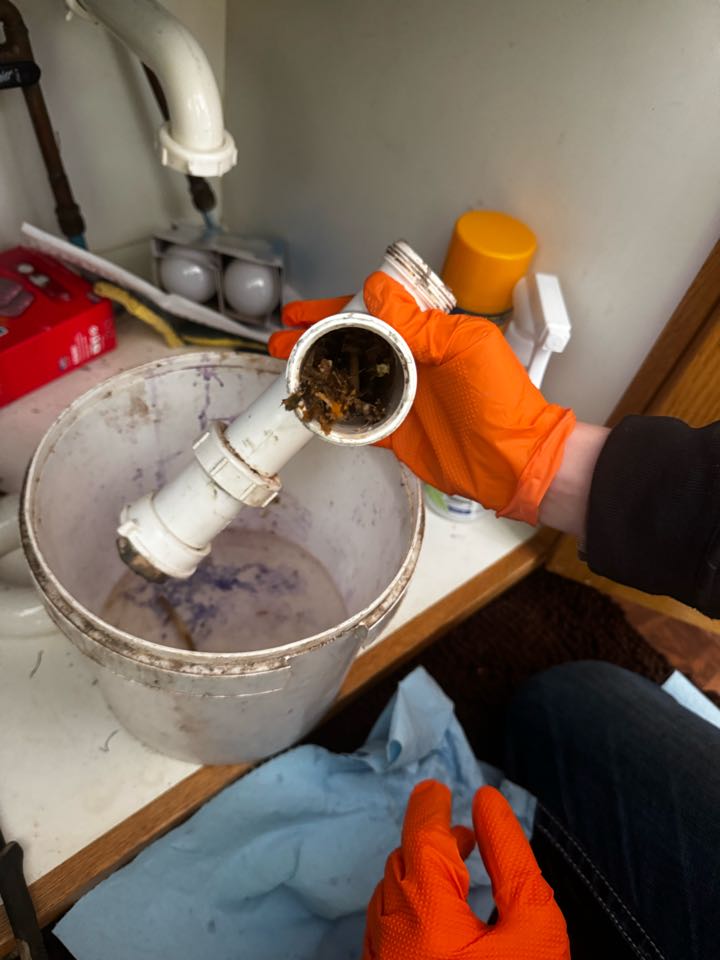
This sluggish drainage often points to clogs caused by hair, soap residue, or food particles, which can be particularly problematic in regions with hard water that leads to mineral buildup. Ignoring these signs may lead to more significant issues, like complete blockages or even pipe damage.
To tackle the issue, try using a plunger or a drain snake to clear the obstruction.
In some areas, tree roots can infiltrate pipes, complicating drainage and necessitating more extensive solutions. If the problem persists, don’t hesitate to call a professional plumber who understands the specific challenges of your local plumbing systems.
Addressing slow drainage promptly can save you from costly repairs down the road.
Gurgling Noises in Pipes
Gurgling noises in your pipes can be more than just an annoying background sound; they often signal that something’s amiss in your plumbing system. In regions where heavy rainfall is common, such as coastal areas, the chances of water pooling and creating blockages in the drainage system can increase.
When air gets trapped in your pipes, it creates those unsettling gurgling sounds you hear. This can indicate a venting issue or a blockage somewhere in the drainage system. If you ignore these noises, the problem could worsen, leading to more significant plumbing issues down the line.
In urban environments, where older infrastructure might be present, you might also notice slow drains or unusual odors accompanying the gurgling. It’s essential to address these sounds promptly.
Consider checking your vents for obstructions, especially if you live in an area with a lot of trees that can drop leaves and debris into your plumbing system. Consulting a plumbing professional familiar with local conditions can help identify the specific challenges in your area.
Taking action now can save you headaches and expenses later on. Don’t let gurgling noises go unchecked!
Frequent Clogs and Backups
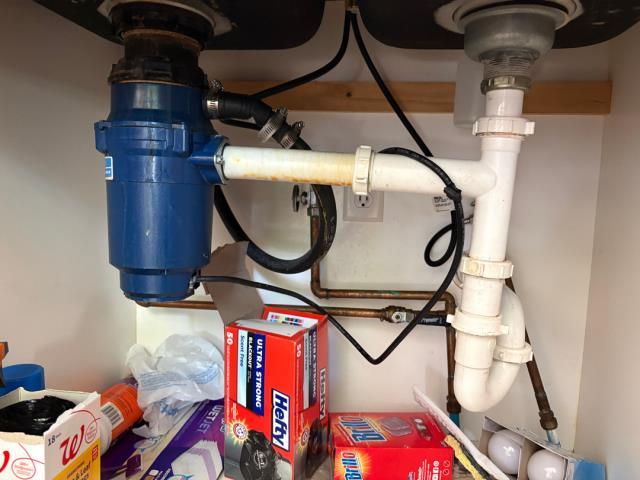
If you’re experiencing frequent clogs and backups in your area, it’s a clear indication that there may be underlying issues within your drainage system.
In regions prone to heavy rainfall, such as during the monsoon season, these persistent issues can disrupt your daily routine and lead to larger problems over time. You might notice that water drains slowly or not at all, and you find yourself reaching for a plunger more often than you’d prefer.
This situation could be the result of a buildup of debris, grease, or foreign objects in your pipes, which can be exacerbated by the local environment.
Ignoring these signs can lead to more severe blockages and potential damage to the plumbing system. It’s crucial to address these clogs promptly.
Consider scheduling a professional inspection to identify the root cause and keep your drains flowing smoothly. Don’t wait for a minor issue to escalate into a significant headache, especially in areas where heavy rains can amplify drainage problems.
Water Pooling Around Drains
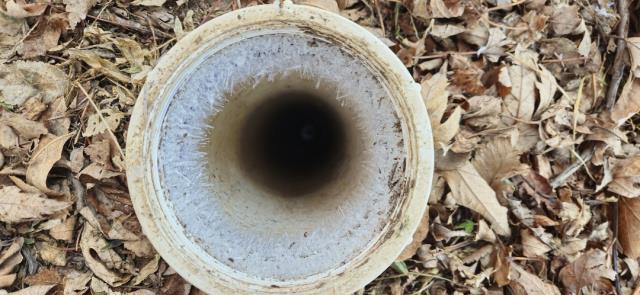
Noticing water pooling around your drains in areas like the kitchen, bathroom, or yard can indicate a significant issue that requires attention. In regions with heavy rainfall, such as during the monsoon season, this problem can become more pronounced. The pooling often signifies a blockage or inadequate drainage, which can escalate into more serious issues if left unaddressed.
In urban settings, debris from nearby construction or fallen leaves can easily clog drains, leading to standing water. This stagnant water not only creates a breeding ground for pests but can also result in unpleasant odors that permeate your home.
It’s crucial to check for visible obstructions, such as leaves or other debris, and remove them promptly. If the problem persists, tools like a plunger or a drain snake may help to clear the blockage.
However, if you’re unable to resolve the issue yourself, it’s wise to seek assistance from a professional plumber who’s familiar with local drainage systems. Taking proactive measures now can prevent more significant headaches down the line, particularly in areas prone to flooding or heavy rainfall.
Unexplained Increases in Water Bills
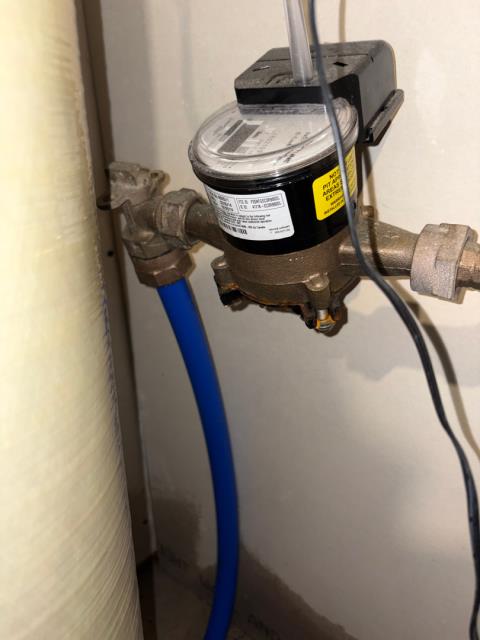
When you notice an unexplained increase in your water bills, especially in regions with older infrastructure, it could indicate a hidden problem within your plumbing system.
This spike might suggest a leak in pipes that aren’t easily visible, which can be common in areas with aging water systems. Even small leaks can waste a substantial amount of water over time, leading to increased charges.
You may not observe any immediate signs, but your budget will certainly take a hit. It’s crucial to investigate further; look for damp spots, listen for unusual sounds, or pay attention to fluctuating water pressure.
If you’re unable to identify the issue, reaching out to a local plumber can be beneficial. They can perform a thorough inspection and uncover any underlying concerns, ensuring that your plumbing is functioning properly and your bills can return to a manageable level.
Mold or Mildew Growth Near Fixtures
Mold or mildew growth near fixtures can signal persistent moisture problems in your home, especially in areas with high humidity, like coastal regions. If you notice these fungi around sinks, tubs, or showers, it’s a clear indication that water is pooling or leaking.
This moisture not only poses health risks but can also lead to structural damage over time, particularly in homes with older plumbing systems that may be more susceptible to leaks.
In areas prone to heavy rain or flooding, inspecting the area closely becomes even more critical. Check for leaks in pipes or condensation around fixtures. Ignoring this growth can lead to more significant issues, such as extensive water damage or compromised air quality, which can be particularly concerning in densely populated neighborhoods where ventilation may already be limited.
Addressing the source of moisture promptly is vital. You might need to tighten fittings, replace seals, or even consult a local plumber who understands the unique plumbing challenges in your area.
Don’t delay—taking action now can protect your home from future complications.
Discoloration of Water
Persistent moisture issues can lead to more than just mold or mildew; they can also impact the clarity and quality of your water supply. In certain regions, particularly those with older infrastructure, you may notice discoloration in your tap water.
Brown or yellow water often indicates rust or sediment buildup in aging pipes, a common challenge in areas where the water system is outdated. A cloudy appearance could suggest an excess of minerals or possible contamination, which can be more prevalent in regions with hard water. You might also see a greenish tint, which can be a sign of copper corrosion, especially in homes with copper plumbing that have been in place for several years.
Regardless of the color of the water, it’s crucial not to ignore it. Discolored water can pose health risks and may signal deeper plumbing issues that require immediate attention.
It’s advisable to contact a local professional who’s familiar with the common plumbing challenges in your area to inspect your system and determine the cause before it escalates into a more significant problem. Your health and safety depend on it, and addressing these issues promptly can help maintain the quality of your water supply.
Visible Drain Flies or Insects
Have you noticed tiny flies buzzing around your drains? These pesky insects, often referred to as drain flies, thrive in stagnant water and decaying organic material found in plumbing systems. If you see them, it’s a clear sign your drains need immediate attention.
In areas where humidity levels are high, like coastal regions or places with significant rainfall, the likelihood of drain fly infestations increases due to the ideal breeding conditions.
Don’t ignore these unwelcome guests; they indicate a potential blockage or buildup of debris in your plumbing. It’s essential to check for standing water or clogs that may be creating the perfect habitat for these flies.
In regions with older infrastructure, such as some neighborhoods with aging pipes, this issue can be more pronounced.
Cleaning your drains regularly can help eliminate their habitat and prevent future infestations. A simple mixture of vinegar and baking soda can be an effective solution to clear out any buildup.
If you find that the problem persists after your efforts, it may be wise to seek the assistance of a local professional drain cleaning service. Taking action quickly is essential to keep your home pest-free and maintain a healthy living environment.
Fluctuating Water Pressure
If you notice your water pressure fluctuating unexpectedly in our area, it’s a clear indication that your plumbing system may require immediate attention. This inconsistency can be caused by a range of issues, such as leaks in your pipes or blockages within the system.
In regions prone to seasonal fluctuations or heavy rainfall, these issues can become even more pronounced, potentially disrupting your daily activities from showering to washing dishes.
Additionally, fluctuating water pressure could signal more serious problems, such as corroded pipes or malfunctioning pressure regulators. In our local climate, where older homes are common, these issues may be more prevalent.
Ignoring this situation can lead to further damage and more expensive repairs in the future. If you’re experiencing fluctuating water pressure, it’s essential to consult a professional plumber promptly.
They can identify the underlying cause and ensure that your plumbing system functions smoothly once again. Don’t wait for the situation to worsen; take action now!
Conclusion
If you notice any of these urgent indicators, don’t wait to get help. In our area, foul odors, slow drainage, and gurgling noises are all signs that your drains need immediate attention. Ignoring these issues can lead to more significant plumbing problems and potential health hazards. Be vigilant for water pooling around your property, unusual discoloration in your sinks or tubs, or even the presence of pesky drain flies. Taking action now can save you time, money, and stress in the long run—reach out to a local professional today to address these concerns effectively!