Urgent Indicators Your Drains Require Attention
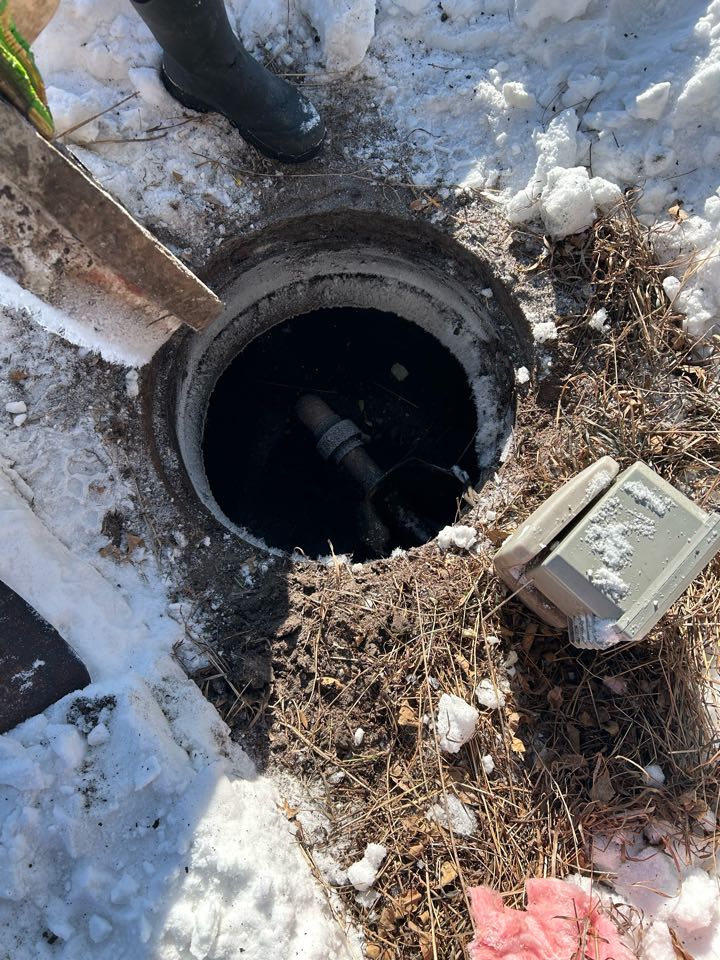
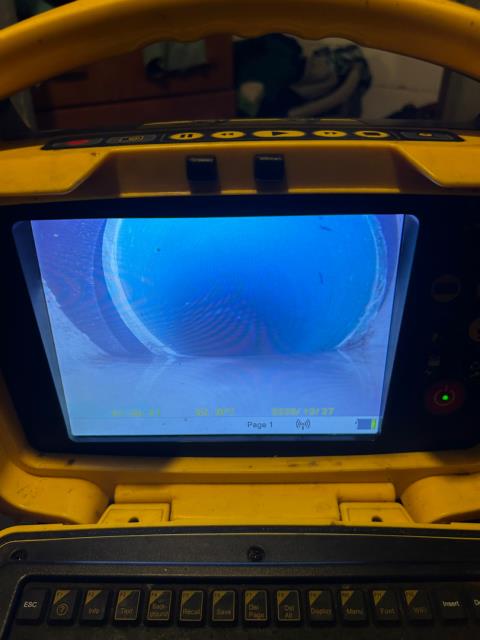
When it comes to plumbing in our area, overlooking certain signs can lead to significant issues in the future. If you notice slow drainage, unpleasant odors, or gurgling sounds coming from your pipes, it may be time to take action. These warning signs could indicate blockages or even tree roots encroaching on your pipes, especially given the local vegetation. Being aware of these urgent indicators can help you avoid expensive repairs. So, what should you keep an eye out for next?
Slow Drainage Issues
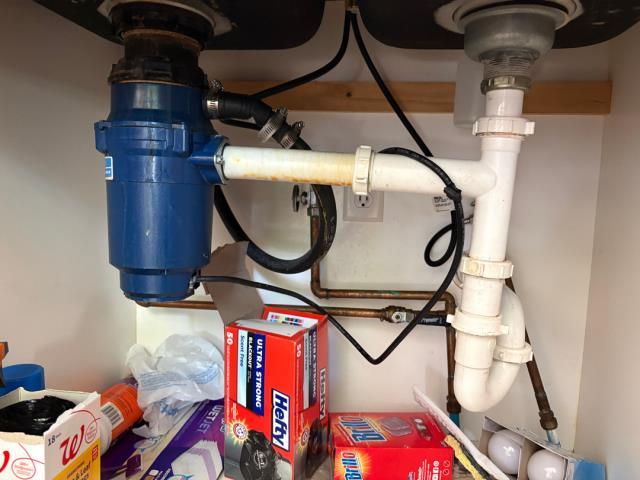
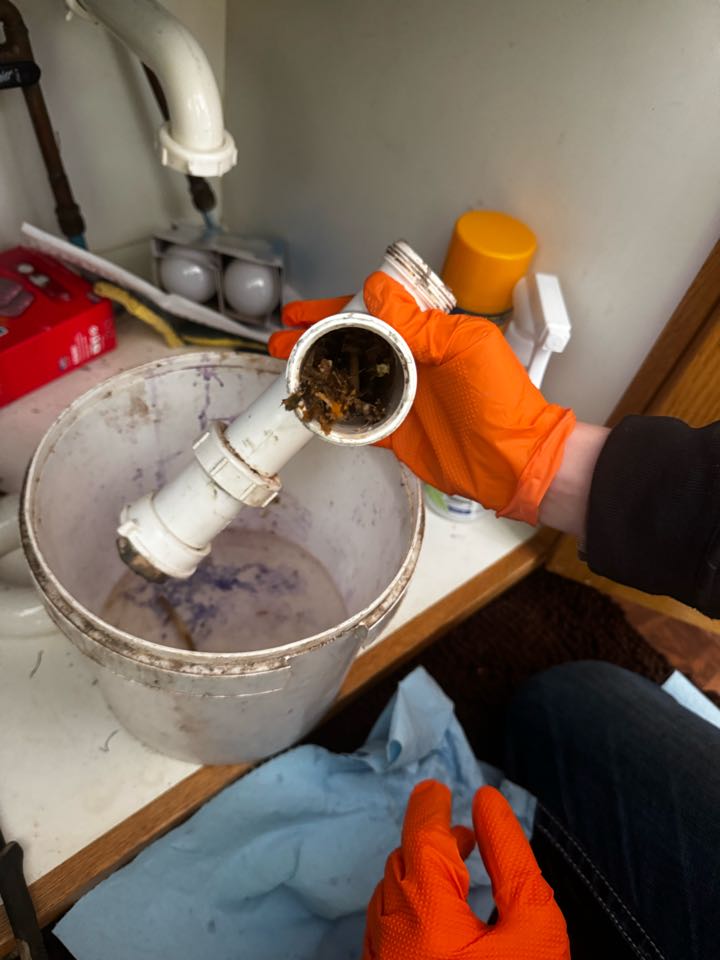
When water takes its time to drain, it’s not just a minor annoyance; it’s a sign that something’s wrong. In areas with older plumbing systems, slow drainage can indicate a buildup of debris in your pipes, such as hair, soap scum, or food particles.
If you notice sluggish drainage in your sink, shower, or tub, don’t ignore it. You might try using a plunger or a drain snake to clear minor clogs, but if the problem persists, it’s time to act.
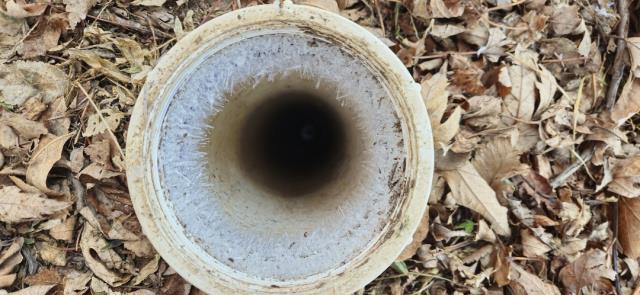
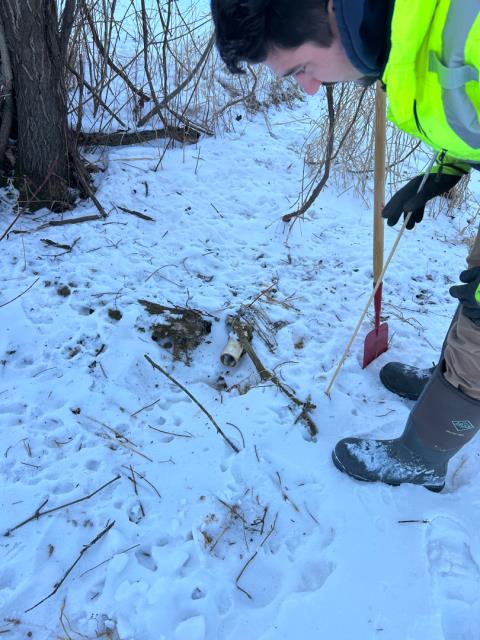
In regions with heavy rainfall, the risk of tree root intrusion increases, as roots seek moisture and can invade underground pipes. Additionally, homes built in areas with clay soil may experience shifting and settling, leading to damaged pipes.
Regularly cleaning your drains can help prevent these issues, but persistent slow drainage could signal a more serious problem. Don’t wait until it worsens; addressing slow drainage now could save you from costly repairs later.
Foul Odors From Your Drains
If you notice foul odors emanating from your drains, it’s a clear indication that something’s amiss. These unpleasant smells often signal a buildup of debris, food particles, or grease trapped in your pipes, which is particularly common in areas with older plumbing systems.
In regions with heavy rainfall, this can lead to additional challenges, as stormwater can exacerbate clogs and create stagnant water in your drains. Over time, these issues can lead to more serious plumbing problems that could disrupt your daily routine.
In some cases, you might also be dealing with a broken sewer line, which can pose significant health risks, especially in densely populated neighborhoods. Don’t ignore these smells; they won’t just go away on their own.
Instead, take action by flushing your drains with hot water or a mix of vinegar and baking soda to help break down the gunk. If the odors persist, it’s advisable to contact a professional plumber who knows how to navigate the specific plumbing challenges in your area, ensuring that the underlying problem is properly identified and resolved.
Gurgling Sounds in Your Pipes
Gurgling sounds in your pipes can be more than just an annoyance; they often signal a blockage or an underlying issue with your plumbing system. When you hear these sounds, it’s essential to address them as soon as possible. Ignoring the problem can lead to more significant plumbing troubles down the line.
For residents in areas with older plumbing infrastructure, such as those found in historic neighborhoods, there may be additional challenges to consider. Here are three key points to keep in mind:
- Check for Blockages: Inspect your drains for any visible obstructions that might be causing the gurgling. In regions where tree roots are prevalent, it isn’t uncommon for roots to infiltrate pipes and create blockages.
- Ventilation Issues: Ensure that your plumbing vents are clear. In some areas, heavy snowfall can lead to blocked vents, disrupting airflow and contributing to gurgling noises.
- Call a Professional: If the sounds persist, it’s advisable to consult a local plumber who’s familiar with the common plumbing issues in your area. They can diagnose and resolve the underlying problem effectively.
Taking action now can prevent you from experiencing more significant headaches in the future.
Frequent Clogs and Backups
Frequent clogs and backups in your drains can be a significant inconvenience, especially in areas where heavy rain can lead to stormwater surges that overwhelm local sewer systems.
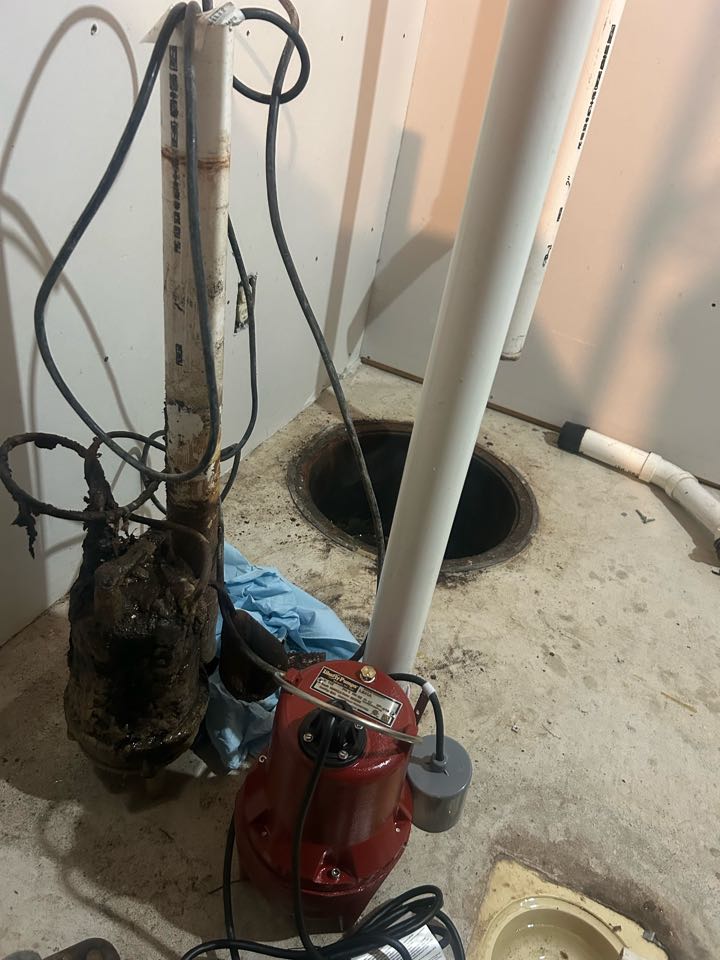
If you find yourself often reaching for that plunger, it’s crucial to take action. These persistent problems may indicate a buildup of debris, grease, or even tree roots that are common in neighborhoods with mature landscaping.
Ignoring these issues could result in more severe blockages or even damage to your pipes, which can lead to expensive repairs down the line.
In regions where older infrastructure exists, you might notice slow drainage or water pooling more frequently, signaling that your plumbing system is struggling to function effectively.
Regular maintenance and inspections can help you catch these issues early, particularly if your home is near mature trees or in a flood-prone area.
Don’t wait until it’s too late; addressing frequent clogs now can save you time, money, and frustration in the future.
Water Pooling Around Fixtures
Water pooling around fixtures can be a clear indicator that your plumbing requires immediate attention. This issue not only creates an unsightly mess but can also lead to significant damage if left unaddressed.
In areas with heavy rainfall or fluctuating temperatures, these issues can become more pronounced. Here are three potential causes specific to our local environment that you should consider:
- Leaky Pipes: In regions with older infrastructure, a damaged or corroded pipe can allow water to seep out, leading to pooling around sinks, toilets, or bathtubs. The combination of seasonal freeze-thaw cycles can exacerbate this problem.
- Clogged Drains: In communities where tree roots are prevalent, drains can become blocked, causing water to back up and overflow around the fixture. Heavy rainfall can further increase the likelihood of drain clogs, leading to unwanted pooling.
- Faulty Seals: Worn-out seals on faucets or fixtures can be a common issue, especially in areas with hard water. This can lead to water escaping and pooling around the base of the fixture.
Addressing these issues promptly can prevent costly repairs and further damage to your home, especially considering our local climate and conditions.
Unexplained Increases in Water Bills
If you’ve noticed an unexplained increase in your water bills, it may be time to investigate potential plumbing issues specific to our region. For instance, in areas with older infrastructure, hidden leaks in pipes can be particularly problematic. A sudden spike in your bill could indicate leaks in your system, whether in concealed pipes, faucets, or toilets.
These leaks can waste a significant amount of water, leading to higher costs without any visible signs.
In our climate, it’s also important to check for damp spots, mold, or unusual sounds near your plumbing fixtures, especially during the rainy season when moisture levels are already high.
Additionally, consider how your water usage habits have changed—summer months may see increased garden watering or pool filling, which could contribute to higher consumption. However, if those factors haven’t altered, it’s essential to dig deeper into potential plumbing issues.
Conclusion
If you notice any of these urgent indicators, don’t hesitate to take action. In areas where heavy rainfall is common, slow drainage can become particularly problematic as it may lead to backups and flooding. Foul odors can often be exacerbated by the local humidity, which can trap unpleasant smells in your plumbing. Gurgling sounds may indicate that your drainage is struggling to keep up with the influx of water, especially during peak usage times, such as after a storm. Frequent clogs can be a common issue in regions with older infrastructure or tree roots infiltrating pipes. If you find water pooling in your yard or around your property, it could signal a significant issue that requires immediate attention. Additionally, if your water bills are unexpectedly rising, this could be a sign of leaks or inefficiencies in your plumbing system. Ignoring these signs may lead to more serious plumbing issues and costly repairs in the long run. Stay proactive and address these problems early to keep your plumbing system running smoothly and efficiently. Your home—and your finances—will be grateful!