Urgent Sauk Rapids Septic Field Repair Guide
If you’re noticing pooling water, unpleasant odors, or slow drains in Sauk Rapids, your septic field might be facing significant challenges. The unique soil composition and seasonal weather patterns in this area can exacerbate septic issues, making it crucial to act swiftly to prevent more severe problems. Knowing the right steps to take and what repairs might be necessary is essential for maintaining your system efficiently. Understanding these factors can help you save both time and money. Let’s explore the actions you should consider to keep your septic system operating effectively in Sauk Rapids.
Signs of Septic Field Failure
If you notice unusual signs around your septic field, it may indicate a failure in the system. In regions with heavy clay soils, common in many parts of the area, you may observe pooling water or soggy spots in your yard, particularly after heavy rainfall.
These areas can signal that the septic tank is overflowing or the soil isn’t absorbing wastewater effectively. You might also detect unpleasant odors, which can result from a failing septic field.
Additionally, keep an eye out for unusually lush patches of grass; this could mean effluent is surfacing. In areas where the ground is typically dry, these green spots can stand out even more.
If your drains are slow or you hear gurgling noises, it’s a sign your system needs immediate attention. Addressing these symptoms promptly can help prevent more significant issues, especially in locations prone to flooding or water table fluctuations, which can exacerbate septic system problems.
Immediate Steps to Take
When you suspect a septic field failure, taking immediate action is crucial to prevent further damage.
First, cease all water usage in your home to alleviate stress on the system. Next, check your septic tank’s level; if it’s full, you may need to schedule a pump-out.
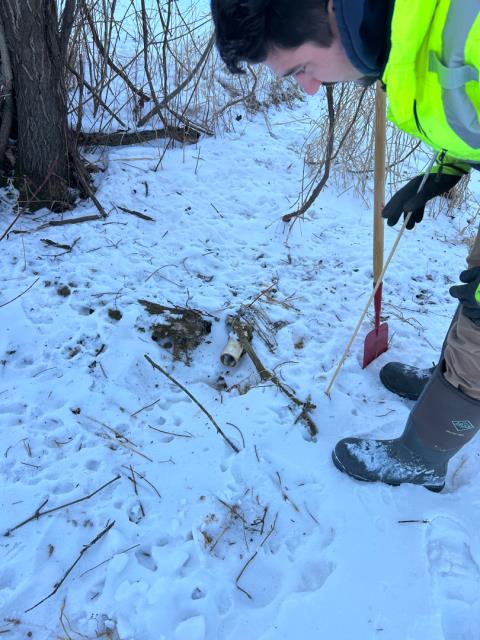
Look for any visible signs of sewage or wet spots in your yard, particularly in areas that are prone to flooding or have poor drainage, as these can indicate where the issue lies.
Avoid driving or parking on the septic field, especially in locations where soil compaction is a concern, as this can lead to additional harm.
Finally, reach out to a local professional septic service as soon as possible to assess the situation. They’ll provide guidance tailored to your specific problem, helping you navigate the next steps efficiently.
Your prompt response can save you from significant repairs down the line.
Common Repair Techniques
After addressing immediate concerns, it’s crucial to explore common repair techniques for your septic field, especially considering the local soil composition and climate conditions.
In areas with clay soils, aerating your system can be particularly beneficial, as it increases oxygen levels and promotes bacterial activity, helping to break down waste more effectively. Adding a new layer of topsoil can also enhance drainage in regions prone to heavy rainfall, reducing the risk of backups.
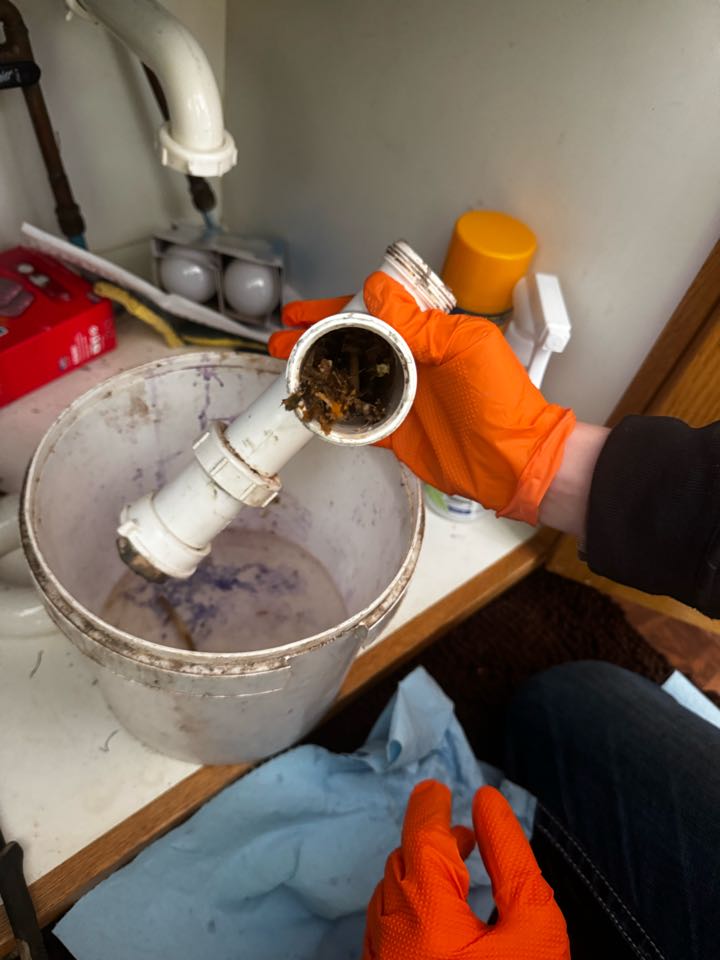
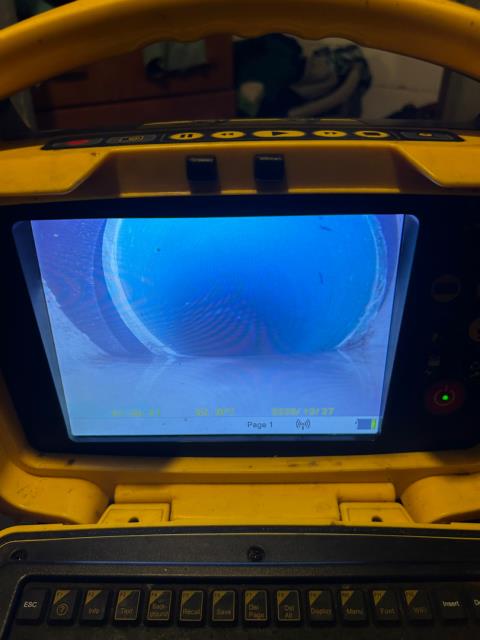
If you discover that the pipes are damaged, replacing them can restore proper function, especially in areas where tree roots may have infiltrated the system.
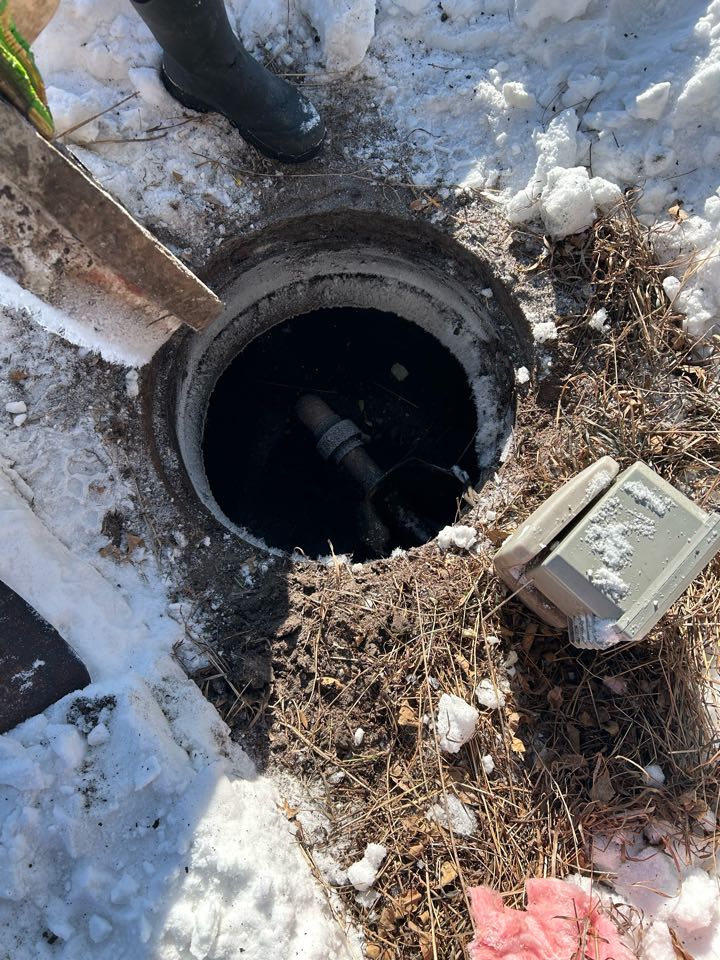
It’s vital to maintain the distribution box, ensuring it remains level and free from clogs, which can be a challenge in locations with fluctuating temperatures that cause ground movement.
Additionally, installing a silt fence can protect the field from sediment runoff, particularly in areas with loose soil that’s susceptible to erosion.
Regular inspections and pumping tailored to local regulations can prevent future issues and keep your septic system running smoothly.
When to Call a Professional
Recognizing the signs that it’s time to call a professional can save you from further complications with your septic system, especially in areas prone to heavy rainfall or where the soil composition can affect drainage.
If you notice foul odors around your yard or hear gurgling sounds in your plumbing, don’t ignore them. Backed-up drains or slow-flushing toilets are also significant indicators of a deeper issue that requires attention.
In regions where the ground is often saturated, seeing standing water above your septic field is a critical warning sign that you should reach out for help immediately.
You should also consider contacting a professional if you’re unsure about performing repairs yourself or if you lack the necessary tools.
Particularly in localities where septic systems are common, timely intervention can help you avoid more extensive and costly repairs down the line.
Addressing issues promptly not only ensures your septic system functions efficiently but also protects your property and the surrounding environment.
Preventative Maintenance Tips
To keep your septic system running smoothly, regular maintenance is essential. Start by scheduling a professional inspection every three years, especially in areas prone to heavy rainfall or flooding, which can impact septic performance. This will help identify potential issues before they escalate.
Be mindful of what you flush; only human waste and toilet paper should go down the toilet. Avoid pouring chemicals or non-biodegradable items into your system, as these can disrupt the natural processes that break down waste.
In many regions, conserving water is crucial to reduce strain on the septic field. Fix leaks promptly and consider using water-efficient fixtures to help manage usage. Proper drainage away from the septic area is also important, particularly in areas with clay soil or high groundwater levels, which can increase the risk of system failure.
Finally, pumping your tank every three to five years is necessary to remove sludge buildup and maintain optimal function. By following these preventative tips tailored to local challenges, you can help ensure your septic system operates efficiently for years to come.
Conclusion
In summary, if you notice signs of septic field failure in Sauk Rapids, it is crucial to act quickly to prevent further damage. Given the unique soil and water table conditions in the area, delays can exacerbate issues. Stop all water usage immediately, inspect your tank for any visible problems, and contact a local professional who understands the specific challenges faced in Sauk Rapids. Regular maintenance tailored to the local environment is essential for ensuring your system runs smoothly. By staying proactive, you can avoid costly repairs and ensure your septic field operates effectively for years to come. Take these vital steps to protect your home and maintain your peace of mind.