What Are Advanced Sewer Inspection Techniques?
You’re likely familiar with traditional methods of sewer inspection, but have you considered the advanced techniques that are transforming the field? In regions prone to heavy rainfall and flooding, such as coastal cities, these cutting-edge methods, like CCTV inspections and acoustic assessments, provide precise, non-invasive evaluations. They significantly reduce the need for disruptive excavation, which is crucial in urban areas where space is limited and infrastructure is dense.
Imagine the potential for improved efficiency and safety in managing sewer systems that are often strained during storm events. Advanced techniques not only help identify issues before they escalate but also aid in creating tailored maintenance strategies that account for local environmental challenges. Curious about how these technologies work and the specific benefits they offer to your community? There’s a wealth of information to uncover that can lead to better sewer management practices.
The Importance of Sewer System Maintenance
While often overlooked, maintaining a sewer system is crucial for the health and efficiency of our community. In areas prone to heavy rainfall, such as the coastal regions, a well-maintained sewer system is essential to prevent flooding and protect homes from water damage.
Regular inspections and cleaning of pipes help to ensure clean water availability and mitigate the risk of blockages and leaks. Neglecting these systems can lead to contamination of local waterways, which poses serious environmental hazards and can exacerbate public health issues.
For communities with aging infrastructure, the risks are even greater, as outdated systems may not effectively handle the increasing demands placed upon them. By prioritizing sewer system maintenance, we can safeguard public health and the integrity of our community’s infrastructure.
Traditional vs. Advanced Inspection Methods
As sewer systems in urban areas age and face increasing demands, the need for effective inspection becomes even more critical. In regions that experience heavy rainfall or have older infrastructure, traditional methods like manual inspections—where workers physically enter sewer lines—can be particularly challenging. This approach not only poses safety risks but is also labor-intensive and often overlooks hidden issues such as root intrusions or corrosion.
In contrast, advanced inspection methods provide safer and more precise alternatives tailored to local challenges. Technologies like sonar and laser profiling deliver detailed images of sewer conditions without the need for direct human intervention.
For instance, in areas prone to flooding, these tools can help identify blockages, cracks, or structural defects more accurately and quickly, which is essential for preventing backups. Moreover, advanced methods significantly reduce downtime and minimize the need for disruptive excavation, making them ideal for densely populated neighborhoods where disruptions can lead to significant inconvenience for residents.
CCTV Inspection: A Closer Look
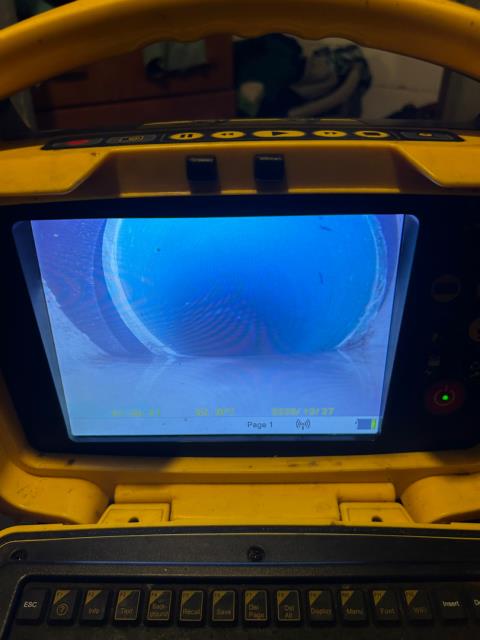
CCTV inspection has transformed the way we examine sewer systems, especially in areas like urban centers where access can be challenging. This method offers a non-invasive and efficient way to evaluate sewer conditions, allowing for the identification of blockages, cracks, and root intrusions without guesswork.
By inserting a camera through the sewer lines, real-time video footage is captured, facilitating a precise assessment. This proactive approach saves time and resources by pinpointing issues before they develop into costly repairs.
In densely populated areas, operators can control the camera remotely, adjusting its position to inspect every nook and cranny of the sewer system without the need to dig up roads or disrupt daily life. This minimally intrusive option is crucial for maintaining city infrastructure while reducing inconvenience to residents and businesses.
Utilizing CCTV inspections ensures that sewer maintenance is proactive rather than reactive, ultimately providing a clearer picture of the sewer’s health. This is especially important in regions prone to heavy rainfall, where prompt identification of issues can prevent flooding and other related problems.
Acoustic Inspection Techniques
Building on the success of CCTV inspection, acoustic inspection techniques bring another layer of innovation to sewer system analysis. Instead of relying solely on visual data, sound waves can now be used to assess pipe conditions, which is particularly beneficial for regions facing unique environmental challenges such as heavy rainfall or frequent flooding.
In areas with aging infrastructure, sending acoustic signals through the sewer can help detect blockages, cracks, or other structural issues based on how the sound waves behave. For instance, in urban settings where debris accumulation is common, sound waves reflecting differently can indicate a blockage compared to a clear path.
This method allows for the identification of problem areas without needing direct access to the sewer, which can be especially advantageous in densely populated locations where excavation can disrupt daily activities.
The efficiency and non-invasive nature of acoustic inspection make it a valuable tool in maintaining sewer integrity and ensuring operational effectiveness, providing communities with a proactive approach to managing their wastewater systems.
Laser Profiling for Sewer Assessment
While CCTV and acoustic techniques have their merits, laser profiling offers a precise and innovative approach to sewer evaluation, particularly in areas prone to heavy rainfall and flooding.
In regions where soil movement and erosion are common, the ability to create accurate three-dimensional models of sewer pipes becomes essential. By using laser beams to measure distances inside the pipe, you can identify deformations, blockages, and even minor structural issues that might otherwise go unnoticed. This method allows for real-time data collection, providing immediate insights into the condition of the sewer system.
In urban settings where older infrastructure is prevalent, laser profiling is especially beneficial for evaluating pipe ovality, size, and capacity. This ensures that maintenance and repairs can be planned effectively, addressing potential issues before they escalate.
In areas with a high density of underground utilities, the precision of laser profiling can help avoid costly disruptions. By reducing the guesswork in sewer inspections, this technology leads to more efficient and cost-effective solutions for maintaining essential underground infrastructure, ultimately enhancing the resilience of the sewer system against local challenges.
Thermal Imaging in Sewer Inspections
Laser profiling’s precision in sewer inspections paves the way for another advanced technology: thermal imaging. In urban areas with aging infrastructure, this method becomes even more crucial.
Thermal imaging utilizes infrared cameras to detect heat variations in sewer systems, allowing inspectors to identify blockages, leaks, and structural issues by highlighting temperature differences.
In regions where heavy rainfall is common, such as those prone to flooding, detecting leaks becomes vital. Escaping water alters the temperature of the surrounding area, making thermal imaging particularly effective in these scenarios.
This technology enables inspectors to quickly pinpoint issues without invasive digging or guesswork, making it an invaluable tool for municipalities and property owners alike.
Furthermore, it streamlines the repair process by providing accurate data, ultimately saving time and reducing the need for extensive excavation.
It’s impressive to see how technology can enhance sewer inspection efforts and address local infrastructure challenges.
The Role of Drones in Sewer Monitoring
As technology advances, drones are transforming the way sewer systems are monitored. You might wonder how these flying machines fit into the dark, narrow world of sewers. In urban areas, where sewer systems can be complex and often buried beneath bustling streets, drones offer an innovative solution. They can traverse spaces that are otherwise difficult and unsafe for humans to access, especially in locations with heavy traffic or ongoing construction.
By utilizing drones, municipalities can capture real-time data and imagery, identifying potential issues before they escalate into costly repairs or environmental hazards. Here are several ways drones enhance sewer monitoring:
- Accessibility: Drones can easily reach confined spaces and hard-to-navigate areas, such as those found in older neighborhoods with outdated infrastructure, without the need for extensive manpower.
- Efficiency: They can cover large areas quickly, which is particularly beneficial in sprawling cities where traditional inspection methods may take considerable time and resources.
- Safety: Drones minimize human exposure to hazardous environments, such as those with toxic gases or unstable structures, ensuring worker safety in challenging conditions.
- Data Collection: Equipped with high-resolution cameras and advanced sensors, drones gather precise data, allowing for detailed assessments of sewer conditions and identifying issues like blockages or structural damage.
- Cost-Effectiveness: By reducing the need for manual inspections and enabling quicker assessments, drones can help municipalities optimize their budgets without compromising on quality.
These benefits make drones indispensable in modern sewer monitoring, especially in locations facing unique challenges such as aging infrastructure, urban density, and environmental regulations.
Benefits of Using Robotic Systems in Sewer Inspection
In urban areas, the challenges of sewer inspection can be quite significant due to aging infrastructure and the complexity of underground systems. Robotic systems present a revolutionary solution to these challenges, bringing a unique set of advantages tailored to local needs.
These robots can access hard-to-reach areas, minimizing risks to human safety, especially in densely populated regions where traffic and environmental hazards are prevalent. Equipped with high-resolution cameras, these robots can capture detailed images and videos of sewer conditions.
This level of precision allows for the early detection of issues such as blockages or structural damage, which is crucial in preventing extensive and costly repairs that can disrupt local communities. Moreover, robotic systems are capable of operating in various conditions, including underwater, which is particularly beneficial in areas prone to flooding or where traditional inspection methods may be hindered.
The efficiency of these robots reduces the time and labor costs associated with manual inspections, as fewer personnel are required to conduct thorough assessments. With advanced sensors, robotic systems provide accurate data that can significantly enhance the decision-making process for local municipalities and infrastructure management teams.
Conclusion
Advanced sewer inspection techniques are transforming maintenance strategies in urban areas. Traditional methods often involve disruptive excavation, which can be particularly challenging in densely populated regions where space is limited and traffic congestion is common. By utilizing cutting-edge technologies such as CCTV, acoustic assessments, laser profiling, and thermal imaging, you can greatly improve the accuracy of inspections while enhancing safety and efficiency.
In cities where infrastructure is aging and the risk of sewer blockages or failures is high, these advanced techniques allow for proactive management of sewer systems. For instance, CCTV inspections can identify issues before they escalate, helping to prevent costly repairs and service interruptions. Acoustic assessments can detect leaks and blockages in real-time, minimizing the need for extensive digging.
Additionally, laser profiling and thermal imaging provide detailed insights into the condition of sewer pipes, making it easier to plan maintenance activities without disrupting daily life. By embracing these innovations, you ensure that sewer systems are maintained effectively and sustainably, addressing the unique challenges posed by urban environments.