What Are Emergency Sewer Repair Costs?
When facing an emergency sewer repair, residents in metropolitan areas often find themselves particularly concerned about the associated costs. These expenses can vary significantly based on the severity of the damage, the methods used for repair, and the specific challenges of the local environment. For instance, in densely populated regions, minor issues can escalate quickly due to the high cost of labor and the complexity of accessing underground systems.
Additionally, the timing of the repairs can play a crucial role in the overall expense. Urgent repairs needed during off-hours or adverse weather conditions may lead to increased costs due to the urgency and potential hazards involved. Understanding how to navigate these challenges and manage expenses effectively can be invaluable for homeowners facing such unexpected situations.
Common Causes of Sewer Emergencies
When it comes to sewer emergencies in our area, understanding the common causes can help prevent costly repairs. Clogs are a frequent issue, often resulting from flushing inappropriate items such as wipes, grease, or feminine products.
Local residents should be particularly cautious, as these items can create significant blockages in our older sewer systems.
Tree roots also pose a major challenge here, as many local trees seek out water and nutrients, infiltrating cracks in pipes and leading to severe blockages.
The prevalence of older or deteriorating pipes in our region increases the risk of issues; these pipes can crack, collapse, or shift out of alignment over time due to ground movements or the effects of aging.
Heavy rainfall is another concern, as the local sewer systems can become overwhelmed during storms, leading to potential backups.
Flooding in certain areas can exacerbate these issues, making it crucial for residents to be prepared.
Additionally, construction activities in our neighborhoods can inadvertently damage pipes, resulting in immediate problems.
Types of Sewer Repair Methods
Various sewer repair methods can address the unique issues that may arise in urban areas known for their aging infrastructure and heavy rainfall. One common approach is pipe bursting, where a new pipe replaces the old one by breaking it apart. This method is particularly effective for severely damaged pipes, which can be a frequent problem in neighborhoods with older systems.
Another technique is cured-in-place pipe (CIPP) lining, which involves inserting a resin-coated liner into the existing pipe. Once cured, it forms a new, seamless pipe within the old one, making it ideal for addressing minor cracks and leaks that can be exacerbated during wet weather.
Spot repair is another option, targeting specific damaged sections without the need to replace the entire pipe. This method can be valuable in areas where localized issues arise, reducing the amount of disruption caused by repairs.
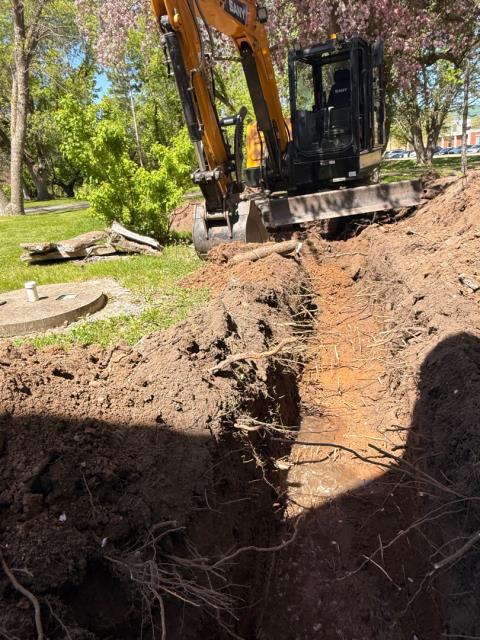
Additionally, trenchless technology, such as directional drilling, allows for repairs without extensive excavation, minimizing disturbance to roadways and landscaping, which is crucial in densely populated areas. Each method has its own advantages, so understanding them can help you select the most effective solution for your sewer challenges.
Factors Affecting Repair Costs
While sewer repairs are essential for maintaining urban infrastructure, several location-specific factors can drive up costs.
First, the extent of the damage greatly influences expenses. For instance, in areas with older neighborhoods, a minor crack could escalate quickly if it leads to issues with tree roots or soil erosion, while a complete pipe collapse may require extensive excavation.
Second, the type of repair method chosen can impact costs significantly. In densely populated urban areas, traditional digging methods may face restrictions due to traffic and local regulations, potentially making trenchless techniques more appealing, although the effectiveness of each method can depend on specific site conditions.
Third, the age and material of sewer lines in older districts can complicate repairs. Pipes made from outdated materials often require more extensive work, especially in regions where infrastructure hasn’t been updated for decades.
Finally, labor costs can vary widely based on urgency and timing. In bustling metropolitan areas, emergency services may come at a premium, especially if repairs are needed during peak hours or outside regular business times.
How Location Influences Expenses
The location of a sewer repair can significantly impact the overall expenses involved. For instance, in metropolitan regions like New York City, the complex infrastructure and high labor costs can lead to increased expenses. In such urban environments, obtaining necessary permits can also add to the overall financial burden.
On the other hand, in more suburban areas like those found in parts of California, while labor costs may be lower, transportation fees can escalate due to the distance to the repair site.
In densely populated neighborhoods, such as those in Chicago, accessing sewer lines can be particularly difficult. This may require specialized equipment to navigate tight spaces, further contributing to costs.
Additionally, local regulations can vary widely; places like Seattle may have stringent environmental standards that necessitate more comprehensive repairs, which can also affect expenses.
When estimating emergency sewer repair costs, it’s crucial to consider these location-specific factors to avoid unexpected financial surprises.
The Role of Urgency in Cost Variations
Understanding how location affects sewer repair costs sets the stage for examining another key factor: urgency. When a sewer issue demands immediate attention, costs can rise considerably.
The urgency behind emergency sewer repairs can be due to several location-specific factors:
- Time of Day: In urban areas, repairs needed at night or during weekends often incur higher rates due to increased labor demands and limited technician availability.
- Severity of Damage: In regions prone to heavy rainfall or flooding, more severe sewer issues may arise, requiring faster and often more costly interventions to prevent extensive property damage.
- Availability of Technicians: In rural or less populated areas, limited availability of skilled technicians can drive prices up as specialists may need to travel long distances to respond to urgent calls.
- Weather Conditions: In areas that experience extreme temperatures or severe storms, weather can complicate repairs, making them more challenging and thus more costly.
- Potential for Property Damage: In densely populated neighborhoods, preventing further damage quickly is vital, especially when multiple properties could be affected, pushing urgency and costs higher.
Understanding these location-specific factors helps you anticipate and manage your emergency sewer repair expenses effectively.
Cost Differences Between Residential and Commercial Properties
When addressing sewer repair costs in our area, it’s important to recognize the distinctions between residential and commercial properties, which can significantly impact the overall expenses.
For residential properties in our community, repairs typically tend to be less costly due to smaller systems and simpler plumbing layouts. Common issues often involve basic pipe repairs or unclogging, which can usually be managed without extensive resources.
In contrast, commercial properties in our region often face higher repair costs. These properties feature larger, more complex plumbing systems that require specialized equipment and expertise to navigate. The extensive networks and high-capacity plumbing often found in businesses mean that repairs can be much more involved.
Furthermore, commercial repairs may need to comply with local regulations that can add to the overall costs, especially if modifications or upgrades are required to meet current standards.
Additionally, it’s essential to consider the potential disruption costs for businesses during repairs. Local businesses may experience operational losses if plumbing issues necessitate temporary shutdowns or limited access.
Average Costs for Common Sewer Repairs
Navigating the complexities of sewer repairs can be daunting, especially in areas where local environmental factors come into play. Understanding the average costs associated with common sewer issues can provide essential insight for residents. When sewer problems arise, being prepared for potential expenses is crucial.
Here are some typical repairs and the financial considerations you might encounter:
- Clogged drains are a frequent issue, often resulting from local debris or sediment buildup. The cost for addressing this problem varies based on the severity and accessibility of the clog.
- Pipe bursting is another concern, particularly in regions with older infrastructure. The cost to repair this can fluctuate depending on the length of the damaged pipe.
- Sewer line replacement is a more significant undertaking, often necessitating substantial investment, particularly in neighborhoods with aging systems.
- Trenchless repairs, a less invasive option, can also be influenced by local soil conditions and landscape, affecting overall costs.
- Tree root intrusion is a common challenge in many residential areas, as local vegetation can encroach on sewer lines, leading to costly removals.
Being aware of these average expenses allows homeowners to plan better for unexpected sewer issues. With this knowledge, you can make informed decisions and budget effectively for necessary repairs.
Ways to Minimize Emergency Sewer Repair Costs
When faced with potential sewer issues, taking proactive measures can significantly reduce emergency repair costs. In areas where heavy rainfall is common, such as regions prone to flooding, it becomes even more crucial to regularly inspect and maintain your sewer lines.
Schedule periodic professional check-ups to identify blockages or damage early, especially after storms when debris can accumulate. Address minor issues promptly, as they can escalate quickly into costly emergencies.
Be mindful of what goes down your drains—avoid flushing non-degradable items, which can lead to clogs. In densely wooded areas, planting trees away from sewer lines is essential to prevent root intrusion, a common cause of damage in these environments.
Installing backflow prevention devices is another effective measure to safeguard against sewage backups, especially in regions with older infrastructure that may be more susceptible to failures during heavy rains.
Finally, educate your household about proper waste disposal practices tailored to local guidelines. A little caution and regular maintenance can go a long way in keeping your sewer system running smoothly and reducing unexpected repair expenses.
Selecting the Right Contractor for the Job
Taking proactive measures to keep sewer repair costs down leads to another important step: choosing the right contractor. In regions prone to heavy rainfall or frequent freeze-thaw cycles, it’s essential to find someone reliable, experienced, and cost-effective. Here’s how to ensure you select the best fit for your needs:
- Check Credentials: Verify licenses, insurance, and certifications. You want a professional who meets industry standards and understands local regulations, especially in areas where specific permits may be required.
- Read Reviews: Look at past customer feedback to gauge satisfaction. A positive reputation in your community can indicate a contractor’s reliability and quality of work, which is particularly important in tight-knit neighborhoods.
- Get Multiple Quotes: Comparing estimates helps you understand the market rate and avoid overpaying. This is especially useful in areas where competition among contractors is high, as it allows you to identify fair pricing.
- Ask About Experience: Inquire about their history with similar projects. Contractors familiar with local soil conditions and municipal requirements can often complete jobs more efficiently.
- Clarify Terms: Ensure the contract specifies costs, timelines, and warranties. Transparency is key to avoiding misunderstandings, particularly in markets where unexpected weather can delay projects.
Choose wisely to prevent future headaches and additional expenses. Making informed decisions now can save you significant stress down the road, particularly when local conditions can complicate repair efforts.
Conclusion
To keep sewer repair costs manageable, it is crucial to act promptly when issues arise and to maintain your system on a regular basis. In many urban areas, common challenges include tree root intrusion and aging infrastructure, which can lead to blockages and leaks. Understanding these common causes, as well as the repair methods available, will empower you to make informed decisions.
In regions prone to heavy rainfall or flooding, the urgency of repairs can significantly increase due to the risk of extensive damage. Therefore, it is wise to plan ahead and address minor issues before they escalate. Selecting a reputable contractor who understands local regulations and offers transparent pricing for both residential and commercial needs is essential.
By taking these proactive steps, you can help avoid costly emergencies and ensure your sewer system operates efficiently. Staying vigilant and addressing maintenance needs promptly can lead to substantial savings over time.