What’s Blocking Your Pipes? Sauk Rapids Edition
Have you noticed your sinks draining slowly or an unpleasant odor in your home? It might be more than just a minor inconvenience. In Sauk Rapids, factors such as the local soil composition, rising humidity during summer months, and the presence of older plumbing systems can create significant challenges for your plumbing. Additionally, common household items like grease, hair, and soap scum can accumulate over time, leading to serious drainage issues. Understanding these prevalent culprits is essential to resolving your plumbing problems. What might be hiding in your pipes, and how can you maintain your plumbing system effectively? Let’s delve into the hidden obstacles specific to Sauk Rapids residents.
Understanding Sauk Rapids’ Plumbing System
Understanding Sauk Rapids’ Plumbing System
Although plumbing systems might seem complex, understanding the local setup in Sauk Rapids is vital for homeowners. Knowing the basics can help you address minor issues without always needing to call a plumber.
Sauk Rapids typically features a combination of copper and PVC piping, which are durable and reliable choices for the area’s climate.
One challenge unique to the region is the potential for freezing temperatures, which can lead to pipe bursts if not properly insulated. Your home’s plumbing system includes supply pipes that bring in water and drain pipes that remove wastewater. It’s crucial to ensure that these pipes are well-protected, especially during the colder months.
Water pressure in the area is generally consistent, but it’s important to regularly check for leaks, as even small ones can escalate quickly and cause significant damage.
Familiarizing yourself with the main shut-off valve is essential; it serves as your first line of defense in emergencies.
Regular maintenance, such as checking fittings and ensuring there’s no visible corrosion, can extend your plumbing system’s life. Understanding these elements empowers you to maintain a healthy plumbing system specific to the challenges of living in Sauk Rapids.
Common Causes of Pipe Blockages
Understanding the unique challenges of Sauk Rapids’ plumbing system is essential for addressing one of the most common issues homeowners encounter: pipe blockages.
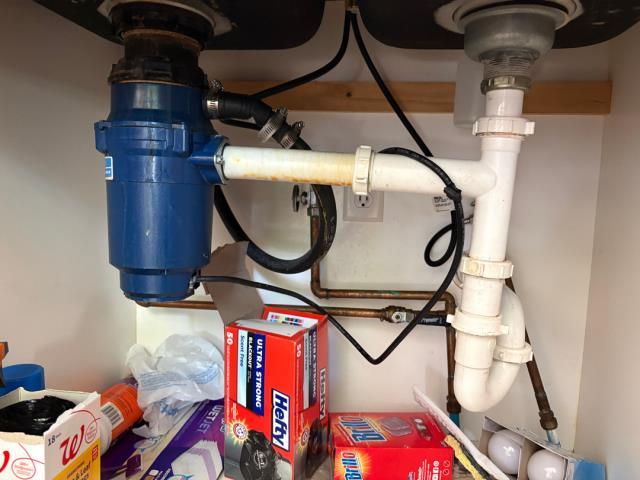
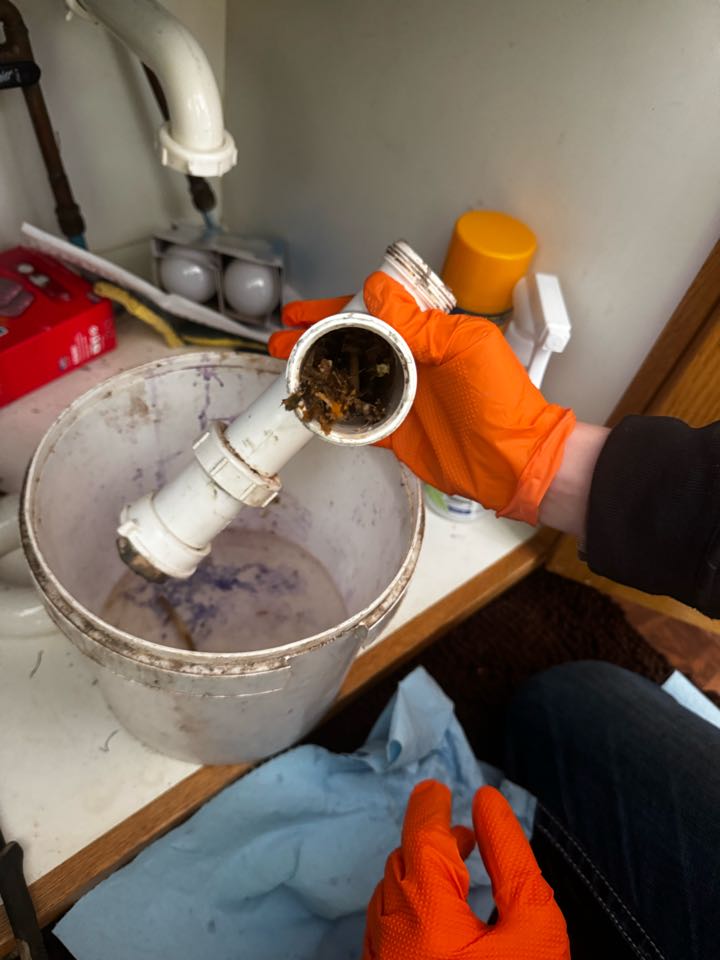
In many local households, these blockages often arise from routine activities. In the kitchen, food particles, grease, and oil frequently find their way down the sink, sticking to pipe walls and gradually forming buildups that restrict water flow.
Sauk Rapids residents may also notice that the mineral content in local water can exacerbate soap scum issues in bathrooms, where it combines with soap residues to create stubborn clogs.
Additionally, flushing inappropriate items like wipes or sanitary products is a significant concern, as these can cause serious disruptions within the plumbing system.
Outdoor drains in the area aren’t exempt; leaves, dirt, and other debris can accumulate, leading to blockages, especially during the fall season.
Implementing preventive measures tailored to the local environment can save homeowners from unexpected plumbing headaches.
The Hair Dilemma
When you’re dealing with a clogged drain in Sauk Rapids, hair can often be the hidden culprit. It sneaks past drain covers, wrapping around other debris and forming stubborn blockages.
In this area, where humidity can contribute to increased hair shedding, you mightn’t see it, but over time, hair tangles tightly, restricting water flow. Each shower or shampoo session adds more to the mess.
To combat this, regularly check your drains and consider using a mesh screen to catch loose strands.
In Sauk Rapids, where many homeowners deal with similar issues, adopting simple habits like brushing your hair before showering can greatly reduce the amount that ends up in the drain.
If you find yourself facing a clog, try using a plumber’s snake or a homemade solution with baking soda and vinegar.
Grease: A Hidden Culprit
Grease is one of the top offenders when it comes to clogged pipes in our region, often lurking unnoticed until it’s too late. Residents might think that washing it down with hot water will keep their drains safe, but once grease cools, it solidifies and sticks to pipe walls.
In our area, where many households prepare rich, hearty meals, this can lead to particularly stubborn blockages over time. It’s crucial to avoid pouring cooking fats, oils, or greasy substances down the drain. Instead, collect these leftovers in a container and dispose of them with your regular trash.
Additionally, wiping greasy pans with a paper towel before washing can significantly reduce the amount of grease entering your pipes. Regular maintenance and awareness can go a long way in avoiding costly plumbing issues that many in our community face.
Take action now to keep your pipes clear and functional, ensuring a smooth flow for all your household needs.
The Impact of Food Waste
While it might seem harmless to rinse bits of food down the sink, doing so can lead to significant plumbing problems, especially in areas with older infrastructure.
When food waste is washed down the drain, it doesn’t just vanish. Small particles can accumulate and cling to the insides of pipes, creating blockages over time. In regions where the plumbing system is susceptible to buildup, starchy foods like rice and pasta can become particularly problematic as they expand with water and harden within the pipes.
Additionally, fibrous fruits and vegetable peels don’t break down easily and can exacerbate clogging issues. These blockages can restrict water flow, leading to slow drains or even complete stoppages, which can be especially challenging in communities where plumbing services may be limited.
Instead of rinsing food waste down the sink, consider scraping leftovers into the trash or compost bin. This simple change can help prevent plumbing issues and keep your drainage system functioning effectively.
Tree Roots and Sewer Line Intrusions
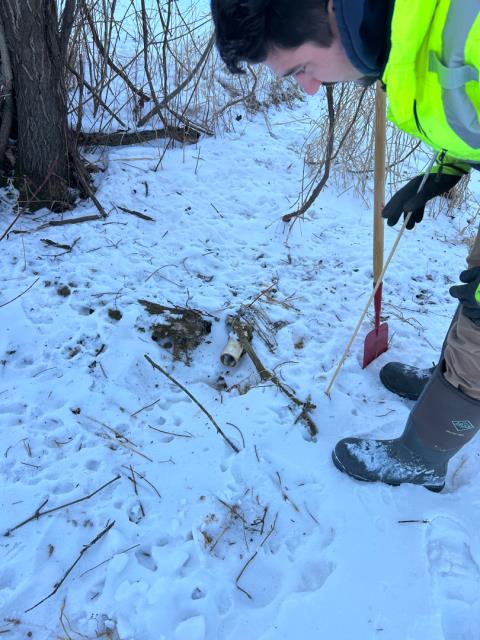
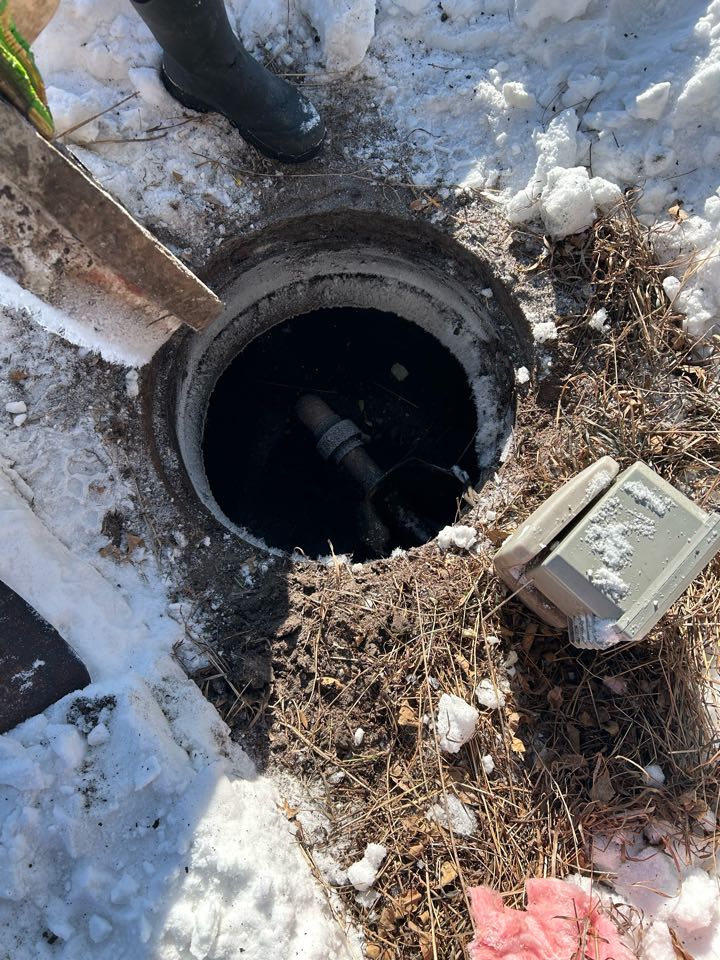
As you consider how food waste can block your pipes, it’s also important to keep an eye on external factors affecting your plumbing. In many local areas, tree roots present a common challenge that can cause significant damage to sewer lines. These roots are always on the lookout for moisture and nutrients, and unfortunately, your pipes can become prime targets.
Here’s how tree roots can become a problem:
- Cracking Pipes: Roots can penetrate through small cracks in pipes, eventually widening them and leading to more serious issues.
- Blockages: Once inside, roots can grow and create blockages that disrupt water flow, which can be especially problematic during heavy rainfall.
- Pipe Damage: Over time, the relentless growth of roots can break pipes, resulting in costly repairs that can be avoided with early intervention.
- Drain Slowdown: If you notice slow drainage, it might signal root intrusion, and addressing this issue promptly is crucial to prevent further complications.
It is essential to monitor the trees in your yard and manage their growth effectively to protect your plumbing from potential root intrusions.
Being proactive can save you from the headaches associated with unexpected plumbing repairs.
The Consequences of Flushing Non-Flushables
When you flush items that aren’t meant to be flushed, you’re paving the way for plumbing issues that can be both expensive and inconvenient.
In our area, wet wipes, cotton swabs, and feminine hygiene products are common culprits that don’t break down like toilet paper. Instead, they tend to clump together, causing significant blockages in our pipes. This can force water to back up, resulting in unpleasant overflows and the risk of water damage in your home.
Local sewage systems are also affected by these non-flushables, leading to increased maintenance challenges that can ultimately impact residents. In some neighborhoods, the aging infrastructure may exacerbate these issues, making it even more crucial to dispose of these items properly.
Furthermore, dealing with a clogged toilet or drain often necessitates the expertise of professional plumbing services. This can lead to unexpected inconveniences and extended wait times for repairs.
Seasonal Factors Affecting Drainage
Seasonal changes can significantly impact the efficiency of your plumbing system, especially in regions with distinct weather patterns. Here’s how different seasons can pose specific challenges to your drainage system:
- Spring Thaw: In areas where snow and ice accumulate during winter, the spring thaw can lead to an excess of melting snow. This sudden influx of water can overwhelm drainage systems, potentially causing backups as water seeps into pipes, resulting in slow drainage.
- Summer Storms: Regions prone to heavy summer rain can experience saturated soil, which increases pressure on underground pipes. This added pressure may lead to leaks or cracks in the plumbing infrastructure, creating costly repairs if not addressed promptly.
- Autumn Leaves: In locales where deciduous trees are abundant, falling leaves can clog outdoor drains and gutters. This blockage can lead to water buildup, increasing the risk of drainage issues and potential flooding around your property.
- Winter Freezing: In colder climates, winter temperatures can cause any residual water in pipes to freeze. This freezing can result in cracks or even bursts in the pipes, leading to significant plumbing problems when temperatures rise again.
Being aware of these seasonal challenges can help you take proactive measures to ensure your plumbing system remains efficient throughout the year.
Practical Solutions for Unclogging Pipes
Dealing with clogged pipes can be a homeowner’s nightmare, especially in areas like Sauk Rapids where older plumbing systems may be more susceptible to blockages.
Fortunately, practical solutions are available to tackle this common issue effectively. Start by using a plunger to dislodge the blockage. Make certain you’ve got a proper seal and apply steady pressure.
If that doesn’t work, consider using a mixture of baking soda and vinegar, which can be poured down the drain to break down minor clogs that might be exacerbated by local mineral deposits.
For tougher obstructions, a drain snake or auger is your best bet. Insert it into the pipe and twist to catch and remove the debris.
Homeowners in Sauk Rapids should be mindful of the clay and sediment that can build up in pipes, so regular maintenance is essential.
Remember, prevention is key. Regularly clean drains with hot water and avoid flushing grease or foreign objects that can contribute to blockages.
If all else fails, it may be wise to seek assistance from a professional plumber familiar with the local plumbing challenges.
Conclusion
To keep your Sauk Rapids plumbing running smoothly, stay proactive. Regularly inspect for blockages and avoid flushing non-flushables. Be cautious about what goes down your drains—keeping grease, food waste, and hair out is essential. In this area, seasonal challenges such as fallen leaves in autumn and the potential for freezing pipes during harsh winters can cause significant issues. Additionally, the presence of mature trees in many neighborhoods can lead to tree root intrusions, which can disrupt your plumbing system. By understanding these common local issues and taking preventive action, you can avoid unexpected repairs and ensure your plumbing system remains efficient and hassle-free.