Why Are Your Drains Clogging? Prevention Tips Here
If you’ve ever dealt with a clogged drain, you know how frustrating it can be. In many coastal towns, for example, sand and silt can easily find their way into your plumbing, exacerbating the issue. Often, it’s the result of everyday habits that you might not even think twice about. From hair and soap buildup to grease and food particles, several factors contribute to these blockages. In urban areas, the combination of food waste and high water usage can lead to more frequent clogs. But the good news is that with a few simple changes, you can prevent these issues. Curious about how to keep your drains clear? Let’s explore some effective prevention tips tailored to your local environment.
Common Causes of Clogged Drains
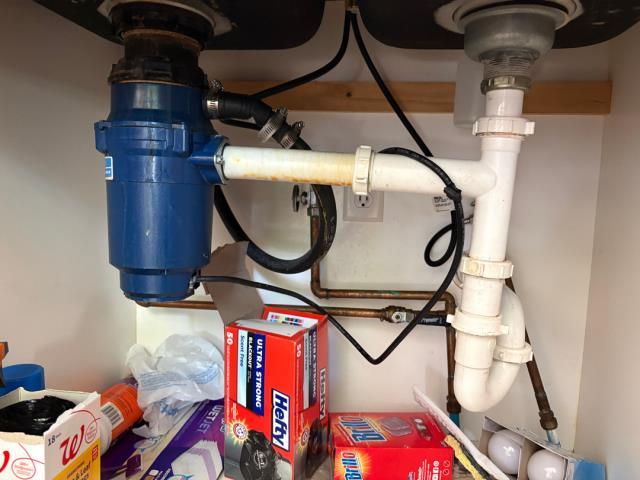
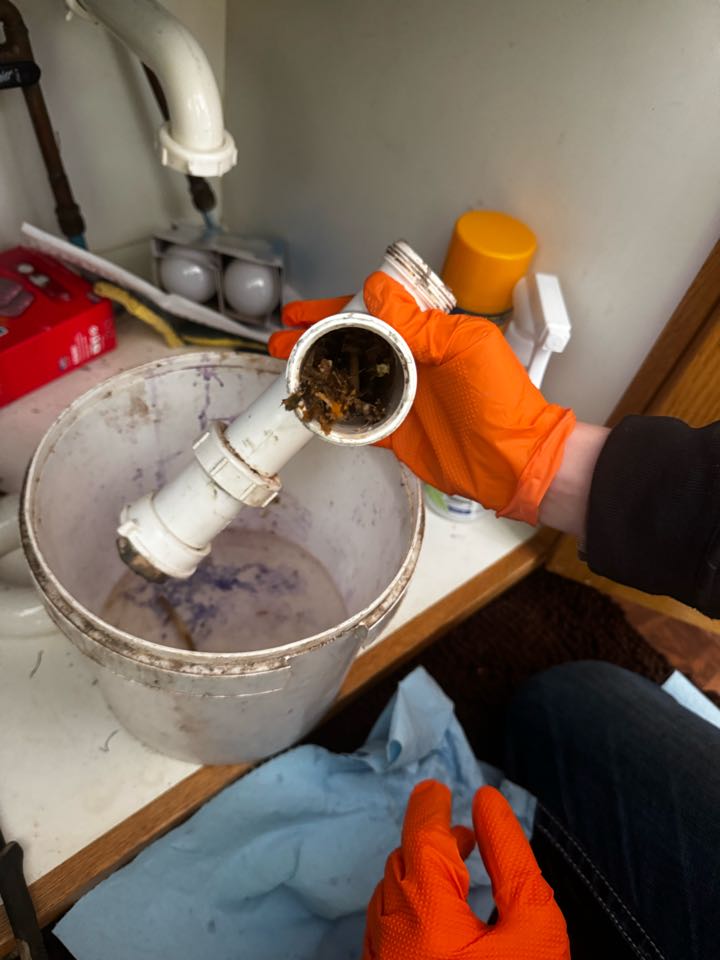
Clogged drains can be a significant nuisance, particularly if you’re unsure of the underlying cause. In urban areas, one prevalent issue is the accumulation of food debris. If you’re not attentive while washing dishes, remnants of food can easily build up in the pipes.
In addition, grease and oil are notorious for contributing to clogs, as they harden and form blockages over time.
Another common problem in suburban neighborhoods is the presence of foreign objects. It’s all too easy to accidentally drop items like cotton swabs, small toys, or even hair down the drain, leading to unexpected blockages.
Furthermore, for those living near wooded areas, tree roots can infiltrate underground pipes, causing serious obstruction that may require professional intervention.
Lastly, mineral buildup from hard water, especially in regions known for having high mineral content, can significantly restrict water flow.
The Impact of Hair and Soap Buildup
While you mightn’t think much about it, hair and soap buildup can create significant problems for your drains, especially in areas with hard water.
In regions where the water quality tends to lead to mineral deposits, the combination of hair and soap can exacerbate clogs, slowing down water flow and causing potential damage.
Here are some impacts you should be aware of:
- Reduced water flow: Hair and soap can form dense clumps, restricting water passage, particularly in older plumbing systems that may already be vulnerable.
- Odor issues: Trapped debris can produce unpleasant smells in your bathroom, a common issue in humid climates where moisture can further encourage bacterial growth.
- Increased cleaning frequency: You may find yourself cleaning your drains more often to prevent severe blockages, especially during peak showering times when hair shedding is more prevalent.
- Potential plumbing costs: Ignoring buildup may lead to costly repairs or professional drain cleaning, particularly in areas where plumbing infrastructure is aging or less robust.
Grease and Food Particles: A Recipe for Blockages
Grease and food particles can rapidly accumulate in kitchen drains, leading to significant blockages if not properly managed. In areas where heavy rainfall is common, such as regions with frequent storms, the chances of drain issues can increase dramatically.
When washing dishes, leftover grease and food scraps often make their way down the drain. Over time, this combination hardens and adheres to the pipe walls, creating a stubborn clog that can be particularly troublesome in older plumbing systems found in many local homes.
To prevent this, always scrape plates and pans before washing. Avoid pouring grease down the sink; instead, allow it to cool and dispose of it in the trash, which can be a more environmentally friendly option in areas with limited waste disposal facilities.
Additionally, using a drain strainer can effectively catch any food particles, reducing the likelihood of clogs. Regularly flushing your drains with hot water can help dissolve any buildup and is especially useful in locations prone to mineral deposits in the water supply.
The Role of Tree Roots in Drain Clogs
Tree roots can pose a significant threat to plumbing systems, particularly in areas with older infrastructure, such as many neighborhoods here.
As roots seek out moisture, they can infiltrate sewer lines, leading to serious clogs. If not addressed, this can result in costly repairs and even sewage backups.
Here are some signs that you may be facing a tree root issue:
- Unpleasant odors emanating from your drains
- Slow drainage accompanied by gurgling sounds
- Frequent backups in your plumbing system
- Visible tree roots growing above or near your sewer lines
In our region, it’s particularly important to keep an eye on large trees, especially those commonly found in residential areas.
Regular inspections and the installation of root barriers can help mitigate these issues.
How to Properly Dispose of Waste
Properly disposing of waste is crucial for maintaining a healthy plumbing system and preventing clogs, especially in areas where local infrastructure may face challenges.
To start, never flush items like paper towels, feminine hygiene products, or dental floss down the toilet, as these can easily lead to blockages in older sewage systems that may not handle such materials well.
In the kitchen, avoid pouring grease, oils, or food scraps down the drain; instead, consider using a compost bin or trash can for disposal.
Many communities have specific guidelines for organic waste that can help divert these materials away from the landfill.
For hazardous materials like paints or chemicals, it’s important to check local regulations for safe disposal methods, as improper disposal can harm both the environment and public health.
Regularly cleaning your sink strainers and disposing of debris properly can also help mitigate plumbing issues.
By being mindful of what goes down your drains, you’ll significantly reduce the risk of clogs and keep your plumbing system functioning smoothly.
Regular Maintenance Tips for Clear Drains
To keep your drains clear and functioning well, regular maintenance is key. In areas with heavy rainfall, for example, excess water can lead to debris buildup in your drains.
By adopting a few simple habits, you can prevent clogs and ensure smooth drainage. Here are some tips to help you maintain your drains:
- Use a drain strainer: Place strainers over your sinks and showers to catch hair and debris, especially if your area has many trees that shed leaves.
- Flush with hot water: Regularly run hot water down your drains to dissolve grease and soap buildup, which can be more prevalent in regions where cooking oils are commonly used in local dishes.
- Perform a deep clean: Once a month, mix baking soda and vinegar to clean and deodorize your drains, a natural solution that works well in any climate.
- Avoid chemical cleaners: Opt for natural solutions instead of harsh chemicals, which can damage your pipes, particularly in older homes that may be more susceptible to corrosion.
When to Call a Professional Plumber
Even with diligent drain maintenance, there are moments when problems arise that necessitate the expertise of a professional plumber.
In regions where older plumbing systems are common, persistent clogs that refuse to budge despite your efforts can signal a need for expert intervention.
If you encounter unpleasant odors, slow drainage, or gurgling sounds, these may indicate more serious plumbing issues that DIY fixes simply can’t resolve.
In areas prone to heavy rainfall or flooding, frequent backups or water pooling around fixtures shouldn’t be ignored.
Seeking professional assistance in these situations is crucial, as neglecting these signs can lead to more significant complications and expensive repairs in the future.
Relying on a licensed plumber ensures that your drainage issues are thoroughly evaluated and resolved, keeping your home functioning efficiently.
Conclusion
To keep your drains clear and avoid frustrating clogs, especially in areas where heavy rainfall is common, it’s important to be proactive. Scrape your plates thoroughly before washing, and never pour grease down the sink as it can solidify and cause blockages. Utilizing strainers to catch debris can be particularly helpful in regions with high sediment levels in water. Regular maintenance with hot water and a baking soda-vinegar mix can work wonders, especially in combating mineral buildup. If you notice persistent issues despite your efforts, consider reaching out to a local plumbing professional who understands the unique challenges in your area. By following these tips, you can ensure your drains function smoothly and efficiently for years to come.