Why Choose Cost-Effective Sewer Solutions?
When considering sewer systems in our region, choosing cost-effective solutions is a strategic move that can lead to significant savings and improved operational efficiency. Local challenges, such as aging infrastructure and increased population density, necessitate systems that not only address these issues but also incorporate innovative technologies for enhanced reliability. By investing in such solutions, you contribute to environmental sustainability and ensure compliance with local regulations. Interested in how these choices can support the development and future growth of our community? There is much more to uncover beyond the surface.
Understanding the Financial Benefits
Although sewer systems may not be the first consideration for cost-saving opportunities, understanding the financial benefits they provide can significantly impact your budget in this region.
With the unique challenges posed by the local climate and population density, investing in cost-effective sewer solutions becomes even more crucial. By implementing efficient systems, you aren’t only maintaining essential infrastructure but also actively working to reduce long-term expenses.
In areas where water scarcity is a concern, efficient sewer systems can minimize water waste and lower treatment costs, translating to reduced utility bills.
Furthermore, advanced sewer technologies can lessen the frequency of repairs, which is particularly beneficial given the local soil conditions that may lead to increased wear and tear on older systems.
Enhancing System Reliability
To ensure your sewer system operates smoothly and reliably, it’s crucial to focus on enhancing system reliability. In areas prone to heavy rainfall or flooding, investing in modern, durable materials that can withstand harsh weather conditions is essential.
Regular maintenance checks become even more vital in these regions to identify potential issues such as blockages or erosion before they escalate into costly repairs. By addressing these concerns proactively, you can minimize downtime and maintain a consistent flow in your sewer system.
In addition to traditional methods, utilizing smart technology can significantly boost reliability. Smart sensors can detect blockages or leaks early, particularly in areas with older infrastructure that may be more susceptible to wear and tear.
This technology allows for swift intervention, preventing minor issues from turning into major problems. Furthermore, providing your team with training on the latest technologies and techniques ensures they’re well-prepared to tackle any challenges that arise.
Ultimately, by prioritizing system reliability, you aren’t only avoiding disruptions but also extending the lifespan of your sewer infrastructure. This approach can lead to significant long-term savings, allowing you to allocate resources more effectively within your community.
Promoting Environmental Sustainability
When you prioritize environmental sustainability in sewer system management, you contribute positively to the health of your community and the planet.
In regions prone to heavy rainfall, which can lead to overflows and pollution, adopting methods that reduce environmental impact is essential. By employing techniques such as natural filtration systems and utilizing environmentally friendly materials, you can significantly decrease the carbon footprint of your sewer systems.
In areas where water scarcity is a concern, supporting water conservation by preventing leaks and overflows is crucial. This ensures that waste is treated effectively while minimizing energy consumption.
Furthermore, recycled water can be harnessed for irrigation, easing the pressure on local freshwater resources that are often strained during dry seasons.
These sustainable practices not only enhance environmental quality but also lead to long-term savings, demonstrating that eco-friendly solutions are both practical and cost-effective for communities facing unique local challenges.
Addressing Aging Infrastructure Challenges
As communities in the region work towards eco-friendly sewer solutions, they often encounter significant challenges related to aging infrastructure. The outdated systems that lie beneath the surface can lead to costly repairs and potential environmental harm. In areas where heavy rainfall is common, the risk of sewer overflows increases significantly, highlighting the urgent need for upgrades.
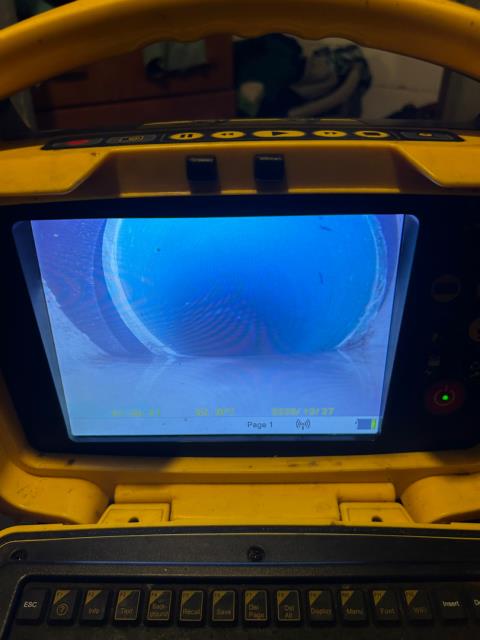
It’s essential to assess the condition of existing pipes and facilities, especially in neighborhoods that were developed several decades ago. Conducting thorough inspections can help identify weaknesses before they escalate into major issues, thereby ensuring that the community doesn’t face unexpected disruptions.
Utilizing modern technology, such as trenchless methods, allows for efficient upgrades without extensive digging, which minimizes disruption to daily activities and preserves the community’s aesthetics. Furthermore, investing in durable materials ensures the longevity of sewer systems, reducing the frequency of repairs over time.
This proactive approach not only preserves the environment but also supports the growth of the community. By addressing infrastructure challenges head-on, communities can guarantee that their sewer systems remain reliable and sustainable, paving the way for a healthier and more resilient future.
Reducing Maintenance Costs
Taking steps to reduce maintenance costs in sewer systems is essential for ensuring long-term financial sustainability, particularly in regions prone to heavy rainfall and flooding.
These conditions can lead to increased wear and tear on sewer infrastructure, making it vital to adopt innovative materials and technologies that can withstand such challenges. By selecting durable pipes and components designed for high-stress environments, you’ll reduce the frequency of repairs, ultimately saving time and resources.
In areas with aging infrastructure, regular inspections and preventive maintenance are crucial.
These practices help identify minor issues before they escalate into significant problems, which can be especially costly in places where soil erosion and root intrusion are common. Training your team on the latest techniques and tools ensures they’re well-prepared to address localized challenges effectively.
Additionally, leveraging data-driven decision-making can help prioritize maintenance efforts based on the unique needs of specific neighborhoods or districts.
This approach allows for the optimization of resources, focusing on areas that require immediate attention due to environmental factors or historical performance issues. By implementing these strategies, you’ll successfully lower maintenance expenses while extending the life of your sewer infrastructure and enhancing its resilience against local challenges.
Maximizing Operational Efficiency
To maximize operational efficiency in sewer systems, especially in regions prone to heavy rainfall or aging infrastructure, it’s essential to streamline processes and utilize technology that enhances real-time monitoring and control.
Local challenges, such as frequent blockages due to debris or tree roots, can hinder operations. Therefore, identifying and eliminating bottlenecks in these areas is crucial. Analyzing data patterns specific to your locality can reveal inefficiencies that are unique to your environment.
Incorporating automated systems will significantly improve the ability to monitor sewer conditions continuously, facilitating proactive maintenance rather than waiting for issues to escalate into costly repairs.
Implementing Innovative Technologies
When it comes to implementing innovative technologies in sewer systems, particularly in urban areas prone to heavy rainfall and flooding, embracing cutting-edge solutions can significantly enhance the management and maintenance of infrastructure.
For instance, smart sensors can be deployed throughout the sewer network to provide real-time data. This technology enables the detection of blockages or leaks before they escalate into costly emergencies, ultimately reducing the need for extensive repairs and minimizing service interruptions.
In regions where soil conditions are challenging, such as clay or rocky terrain, consider utilizing trenchless technology for repairs. This method avoids the need to excavate large sections of pipe, employing techniques like pipe bursting or cured-in-place pipe lining. These approaches not only save time but also reduce the environmental footprint associated with traditional digging methods.
Furthermore, advanced analytics can play a crucial role in forecasting maintenance needs based on historical data and current system performance. By harnessing these technologies, municipalities can adopt a proactive approach to repairs, enhancing the overall efficiency of the sewer system and extending the lifespan of critical infrastructure.
Adopting innovative solutions ensures that the sewer system remains both dependable and sustainable, while also adapting to the unique challenges faced by local communities.
Ensuring Compliance With Regulations
Navigating the intricate landscape of sewer system regulations in various regions necessitates a comprehensive understanding of both local and federal requirements.
It’s crucial to remain informed in order to avoid significant penalties and ensure that your projects proceed without interruptions. Regulations can differ significantly from one area to another, making it essential to:
- Research thoroughly: Familiarize yourself with the specific regulations pertinent to your locality, as challenges such as population density or environmental conditions may impose unique requirements.
- Stay updated: The regulatory landscape can evolve, demanding that you stay alert and ready to adapt to any changes that may arise.
- Consult experts: Engaging with environmental consultants or legal professionals can be invaluable in navigating compliance effectively, as they possess localized knowledge that can help you address specific challenges and requirements in your region.
Supporting Community Development
While it’s essential to ensure that sewer systems comply with local regulations, supporting community development is equally important, especially in areas facing unique challenges.
In regions prone to flooding, for instance, implementing cost-effective sewer solutions can significantly mitigate water management issues. By choosing systems that are tailored to local needs, you can enhance the quality of life in your community while efficiently managing waste.
These systems not only handle waste effectively but also create opportunities for local employment and skill development. By making informed investments, you can free up resources for other community projects, such as parks, schools, or health centers, which are vital for community well-being.
Moreover, cost-effective sewer solutions can attract new businesses and residents, helping to invigorate local economies. When sustainable infrastructure is prioritized, it contributes to a cleaner environment, ultimately benefiting everyone in the community.
A well-maintained sewage system serves as a backbone for thriving neighborhoods, supporting growth and improving living standards for all residents.
Planning for Future Growth
Embracing cost-effective sewer solutions is crucial for enhancing community well-being and preparing for future growth, especially in areas facing unique challenges such as aging infrastructure and increased urbanization.
By investing in these solutions, you’re establishing a strong foundation for a vibrant community. Efficient sewer systems are designed to handle increased capacity, ensuring that the infrastructure can support expansion seamlessly. This proactive approach helps to mitigate the risk of costly and disruptive overhauls in the future.
Consider these benefits:
- Scalability: Systems can be easily adjusted to accommodate population growth, avoiding the need for major upgrades.
- Sustainability: By utilizing resources wisely, the environmental impact is minimized, which is particularly important in regions where natural resources are limited.
- Economic Growth: Reliable infrastructure can attract new businesses, creating jobs and enhancing the local economy.
In regions where flooding or land subsidence is an issue, investing in modern sewer solutions can also improve resilience against extreme weather events.
Conclusion
By opting for cost-effective sewer solutions, you’re making a wise investment in the future of our community. This choice not only leads to financial savings but also enhances the reliability of our sewer systems while promoting environmental sustainability. Our region faces specific challenges such as aging infrastructure that requires urgent attention, and these solutions effectively tackle those issues.
By implementing innovative technologies, we can significantly reduce ongoing maintenance costs and improve the overall efficiency of our systems. Additionally, these approaches ensure compliance with local regulations, which is crucial for supporting community development and planning for future growth. Ultimately, your decision to support these initiatives contributes to a higher quality of life for residents and helps build a resilient, thriving community that can withstand the test of time.