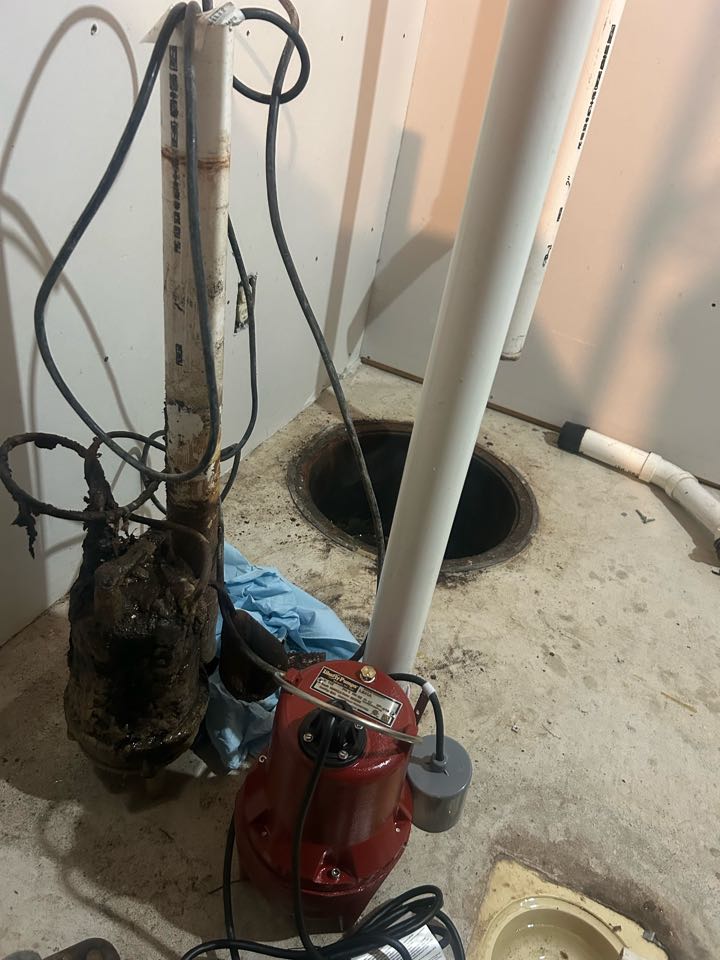
Why Do Most Homeowners Overlook Drain Maintenance?
You might not think about your drains often, but neglecting their maintenance can lead to serious issues, especially in areas prone to heavy rainfall or flooding. Busy schedules and misconceptions about how drains work can make it easy to overlook this essential upkeep. In regions where tree roots are prevalent, for example, homeowners might mistakenly believe that their drains can handle any blockage. However, this complacency can escalate into costly repairs and health risks, particularly if backups occur during storm seasons. What if you could prevent these problems with just a bit of attention to your drainage system? Regular maintenance could save you from significant headaches down the road.
Busy Lifestyles and Time Constraints
In today’s fast-paced world, particularly in urban areas where the hustle and bustle can be overwhelming, juggling work, family, and personal commitments often leaves little room for home maintenance.
In cities known for their vibrant lifestyles, it’s easy to neglect essential tasks like drain upkeep. You might find yourself prioritizing immediate responsibilities, such as long work hours and busy weekends, over preventive measures like maintaining your drains.
In regions with heavy rainfall or older plumbing systems, the gradual buildup of debris and grime in your drains can lead to significant problems if left unattended.
It’s easy to think, “I’ll get to it later,” but those small delays can quickly escalate into bigger issues requiring urgent attention.
By setting aside just a few minutes each month to check and maintain your drains, you can integrate this task into your routine.
This proactive approach won’t only help you avoid costly repairs but also prevent unexpected inconveniences in the future, ensuring that your home remains a comfortable haven amidst the chaos of daily life.
Lack of Awareness About Drain Issues
While you may be focused on the visible aspects of home maintenance, a lack of awareness about drain issues can lead to serious problems down the line, particularly in areas with heavy rainfall or older infrastructure.
Many homeowners in regions prone to flooding or with clay soil may not realize that clogs and buildup can develop silently, causing major headaches later on. You mightn’t notice slow drains or unpleasant odors until it’s too late, especially when roots from nearby trees infiltrate pipes or when heavy rains lead to sediment accumulation.
Ignoring these signs can result in costly repairs and extensive damage to your property, including water damage and mold growth. Regular inspections and simple maintenance can help you avoid these issues, but if you’re unaware of the importance of drains, you may not take action.
Being proactive not only protects your home but can also save you time and money in the long run. Stay informed and don’t let drain issues sneak up on you!
Misconceptions About Drain Maintenance
Many homeowners in the area believe that drain maintenance is a minor concern, assuming that as long as water flows freely, everything is fine. This misconception can lead to bigger problems down the line, especially in regions where heavy rainfall can cause debris to wash into drains.
You might think that occasional flushing with hot water is sufficient, but this doesn’t tackle buildup or clogs that can be exacerbated by local tree roots invading pipes. Some believe that chemical drain cleaners are a quick fix; however, these can harm your pipes over time, particularly in older homes that are common in the community.
Additionally, many think drains are self-cleaning, yet debris and grease accumulate, creating blockages that can be particularly problematic during peak cooking seasons. Ignoring routine maintenance puts your plumbing at risk, leading to costly repairs that could have been avoided.
Infrequent Use of Certain Drains
Certain drains in homes, such as those in guest bathrooms or utility rooms, are often overlooked due to their infrequent use. In some areas, these drains may be used only a handful of times each year, leading to a buildup of debris, hair, or even stagnant water.
When the time comes to use these drains, you may find they aren’t functioning properly, resulting in unpleasant surprises.
In regions with high humidity or seasonal weather changes, this issue can be exacerbated as moisture can contribute to mold and mildew growth.
It’s easy to forget about these less-used drains, but regular checks and maintenance can help prevent clogs and odors.
To avoid potential problems, make it a routine to run water through all your drains periodically. A little attention now can save you from headaches later, ensuring your home remains in top shape.
Underestimating the Importance of Regular Maintenance
Neglecting the maintenance of drains that are infrequently used, especially in areas prone to heavy rainfall or seasonal flooding, can lead to significant problems later on. Many homeowners assume that these drains don’t require attention simply because they aren’t used often. However, this oversight can result in clogs, unpleasant odors, and even water damage, particularly in regions with humid climates where mold can thrive.
Regular maintenance is essential to keep these drains clear and functioning as intended. Simple tasks like flushing the drains with hot water or using a mixture of vinegar and baking soda can create a noticeable improvement. This is particularly important in localities where water quality might lead to mineral buildup, making drains more susceptible to blockages.
By prioritizing this upkeep, you ensure that all systems in your home operate smoothly, reducing the risk of costly repairs down the line. Routine checks are crucial—spending just a few moments on maintenance now can prevent major headaches in the future.
Keeping your drains in optimal condition not only safeguards your home but also provides peace of mind, knowing that you’re prepared for the unique challenges posed by your local environment.
Fear of Costly Repairs
When considering the potential costs of drain repairs in our area, it’s easy to feel overwhelmed. You might envision significant bills for major plumbing work, and that fear can lead you to overlook necessary maintenance.
It can be tempting to postpone inspections and cleaning, hoping that issues will resolve on their own. However, neglecting your drains often results in more serious problems, which can be even more financially draining. A minor clog today could escalate into a burst pipe tomorrow, leading to extensive damage and costly repairs.
By prioritizing regular maintenance, you can steer clear of these expensive surprises. It’s all about taking a proactive approach rather than waiting for a crisis.
Limited Knowledge on How to Maintain Drains
Many homeowners in our area face unique challenges when it comes to maintaining their drains, which can lead to preventable issues. A lack of knowledge often results in clogs and expensive repairs.
Here are some essential tips that are particularly relevant to our local conditions:
- Regularly clean drain covers to prevent debris buildup, especially during the fall when leaves can clog the system.
- Use a drain snake or plunger for minor clogs before they escalate into more significant problems.
- Avoid pouring grease or food scraps down the sink, as local plumbing systems can be especially susceptible to blockages from these substances.
- Flush drains with hot water and vinegar monthly to help break down buildup, particularly if you live in areas with hard water that can contribute to mineral deposits.
- Be aware of signs of drainage issues, such as slow drains or unpleasant odors, which can be more pronounced in older neighborhoods with aging infrastructure.
Overreliance on Professional Services
While it may be tempting to call in professionals at the first sign of a drain issue, especially in areas prone to heavy rainfall or older plumbing systems, relying too much on their services can prevent homeowners from acquiring essential maintenance skills.
You might think that hiring an expert saves time and hassle, but this can create a dependency that hinders your understanding of your home’s plumbing system. By addressing minor issues yourself, you gain valuable knowledge that equips you to handle future problems with confidence.
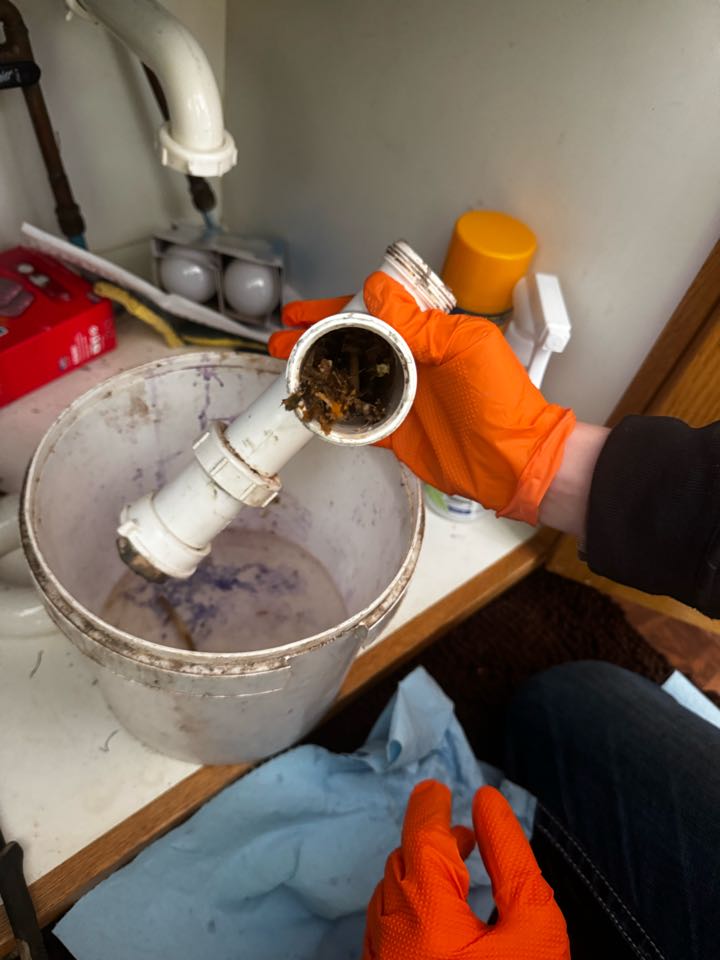
Simple tasks such as cleaning out traps or using a plunger can be straightforward and satisfying. Embracing DIY drain maintenance not only helps you keep costs down but also keeps you informed about your home’s needs, promoting a proactive approach to homeownership, especially in regions where plumbing challenges can arise unexpectedly.
Neglecting Early Signs of Problems
Neglecting early signs of drain problems can lead to costly repairs down the line. In areas with older plumbing systems, it’s easy to overlook minor issues, but being proactive can save you both money and hassle.
Here are some signs you shouldn’t ignore:
- Unpleasant odors near drains, which can be more pronounced in humid climates
- Slow drainage in sinks or tubs, often exacerbated by local soil conditions
- Gurgling sounds from pipes, indicating potential blockages common in older neighborhoods
- Water pooling around drain areas, especially after heavy rainfall
- Frequent clogs requiring multiple fixes, which can be influenced by local tree roots invading pipes
If you notice any of these issues, don’t wait for them to escalate. Addressing them promptly can prevent more serious damage and expensive repairs.
Taking a few minutes to inspect and maintain your drains regularly is particularly important in regions prone to heavy rainfall or where the local infrastructure may be aging.
Your home deserves the best care, and being attentive to drain health is an essential part of that.
Conclusion
To sum up, it’s easy to overlook drain maintenance amidst our busy lives and misconceptions about their upkeep. In areas with heavy rainfall, such as the Pacific Northwest, homeowners can face unique challenges with drains becoming clogged due to fallen leaves and debris. Ignoring these responsibilities can lead to costly repairs and health hazards down the line, especially in regions prone to flooding. By prioritizing regular checks and being aware of the signs of trouble, such as slow drainage or unpleasant odors, you can save yourself time, money, and stress. Take charge of your drains today—don’t wait for a problem to arise before addressing it. Your home deserves the best care!