Why Is Winter Care Essential for Drainage Systems?
When winter arrives in our region, many homeowners overlook the importance of their drainage systems, but this oversight can lead to significant problems. The freezing temperatures here can cause ice to form within pipes, potentially leading to cracks and leaks. Additionally, the shifting soil due to freeze-thaw cycles may compromise the integrity of underground drainage infrastructure. In areas where snow and ice accumulate heavily, blockages can occur around drains, obstructing water flow and increasing the risk of seepage into basements and crawl spaces. By taking proactive measures to maintain your drainage systems, you can safeguard your home against the harsh winter conditions we often experience. Have you considered how to best protect your property from these winter challenges?
The Impact of Cold Weather on Drainage Systems
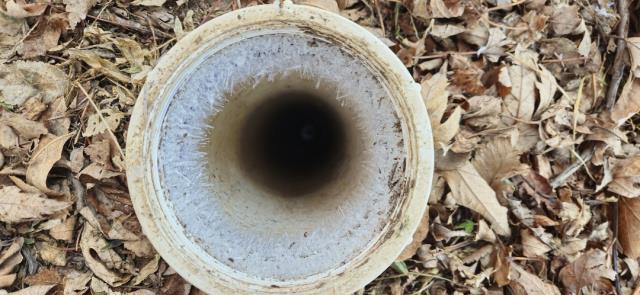
When winter sets in, it’s crucial to recognize how cold weather can impact drainage systems, especially in areas prone to heavy snowfall and freezing temperatures. For instance, in regions that experience significant frost, the risk of blockages and damage increases as water freezes. Ice can form within pipes, leading to cracks or even bursts due to the pressure that builds up.
Even moderate freezing can weaken the structural integrity of your drainage system, particularly if it occurs frequently.
Furthermore, in locales where the ground freezes and thaws, the soil around buried pipes can shift significantly. This movement can lead to misalignment or breakage of the pipes, resulting in leaks that may go unnoticed initially but can cause extensive issues over time.
Accumulation of snow and ice around drains can also obstruct water flow, leading to backups that can exacerbate drainage problems.
Common Winter Drainage Issues
As temperatures drop and winter conditions settle in, homeowners in the Midwest often encounter specific drainage issues that can complicate daily life.
These problems can lead to costly repairs if not addressed promptly. Here are three common winter drainage issues you might face in this region:
1. Frozen Pipes: In areas where temperatures can dip significantly, water inside pipes can freeze, causing them to expand and potentially burst.
This can result in serious water damage and interruptions to your water supply, especially in homes with uninsulated or poorly insulated plumbing.
2. Ice Dams: Accumulation of snow and ice is a common sight on rooftops during Midwest winters.
When this snow melts and refreezes, it can create ice dams that block proper drainage.
This can lead to water seeping into your home, causing damage to ceilings and walls.
3. Clogged Gutters: With the heavy snowfall and falling leaves typical in this region, gutters can easily become blocked with debris.
When these blockages occur alongside freezing temperatures, they can cause water to overflow, resulting in damage to your roof and foundation.
Addressing these issues promptly is crucial for maintaining your home’s drainage system and avoiding more significant problems down the line.
Preventative Maintenance Steps
Taking proactive steps before winter sets in can save you from the hassle and expense of repairing drainage system issues that are common in our region. Start by clearing out debris from gutters and downspouts, as the autumn leaves can quickly accumulate and cause blockages. These blockages can lead to water overflow and potential ice buildup, which can be particularly problematic in areas that experience heavy snowfall.
Inspect your drainage pipes for cracks or damage, and seal any leaks to prevent freezing, especially during those cold snaps that can occur in January and February. It’s also essential to ensure your yard slopes away from your home’s foundation to facilitate proper water flow.
In our area, where heavy rains can occur, consider installing leaf guards on gutters to reduce future clogs caused by our local foliage. Additionally, trim back any overhanging branches that could deposit debris into your system, as winter storms can bring down branches that exacerbate drainage issues.
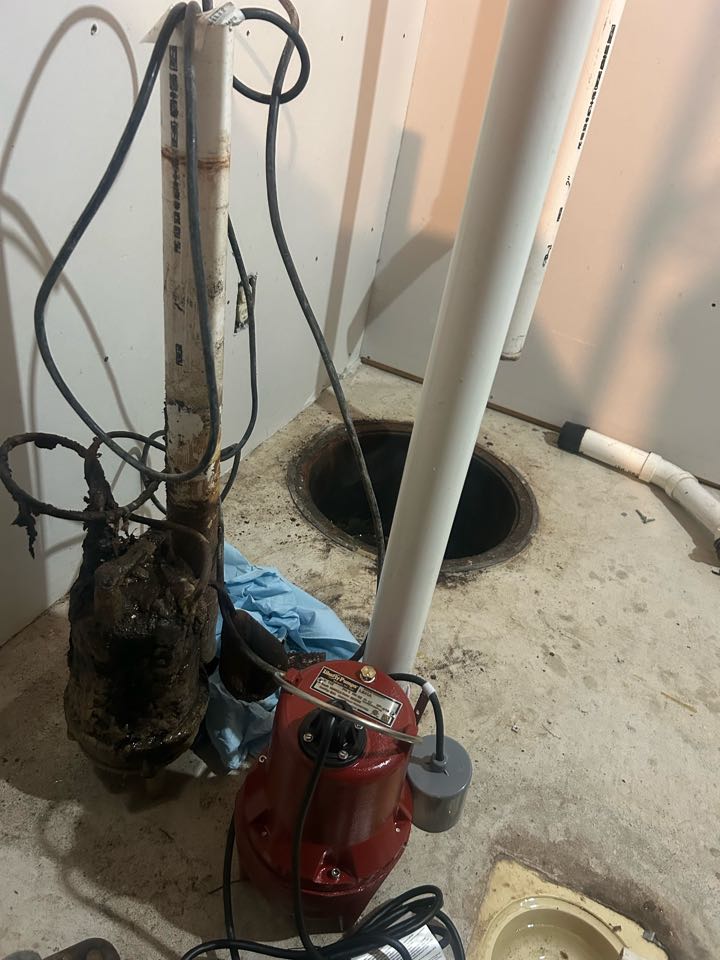
If you have a sump pump, make sure to check it regularly to confirm it’s in working order, as it plays a critical role in preventing flooding during the wet months. By taking these preventative measures, you’ll protect your drainage system and minimize the risk of issues throughout the winter season.
Tools and Equipment for Winter Drainage Care
Winter can present unique challenges for homeowners, especially in areas prone to heavy snowfall and freezing temperatures. Ensuring your drainage system is well-prepared can help prevent clogs and damage during this harsh season.
Here are three essential tools and equipment that can help you maintain effective drainage care in your region:
- Drain Rods: These tools are incredibly useful for clearing blockages caused by ice, snow, and debris that can accumulate during winter storms. Their flexibility allows them to navigate tricky bends in pipes, making them an essential part of your winter maintenance toolkit.
- Pipe Insulation: In regions where temperatures frequently drop below freezing, wrapping exposed pipes with insulation is crucial. This simple step can prevent pipes from freezing and bursting, which can lead to significant damage and costly repairs later on.
- Heated Cables: Installing heated cables on vulnerable pipes can provide an extra layer of protection. These cables help maintain a consistent temperature in the pipes, ensuring they remain ice-free and allowing water to flow smoothly, even during the coldest months.
Benefits of Regular Winter Drainage Maintenance
When you commit to regular winter drainage maintenance, you’re effectively safeguarding your home against potential damage and costly repairs.
In regions where snow and ice accumulate, consistent upkeep is particularly important for ensuring your drainage system remains clear of ice blockages, which can lead to water backing up into your home. This proactive measure is essential in preventing water damage, mold growth, and structural issues that can escalate into significant problems if neglected.
In areas prone to heavy snowfall and fluctuating temperatures, regular maintenance is crucial for extending the lifespan of your drainage system.
By addressing minor issues before they become major, you’re saving money over time. Clear and functional drains enhance your home’s overall efficiency, allowing water to flow freely and reducing stress on the system.
This routine care provides peace of mind during harsh winter months, ensuring your home stays safe and dry despite the challenging weather conditions.
When to Call a Professional for Help
How do you know it’s time to call a professional for your winter drainage issues? Sometimes, DIY fixes just won’t cut it, and the situation demands expert intervention.
Watch out for these signs, especially if you live in an area prone to heavy snowfall or freezing temperatures:
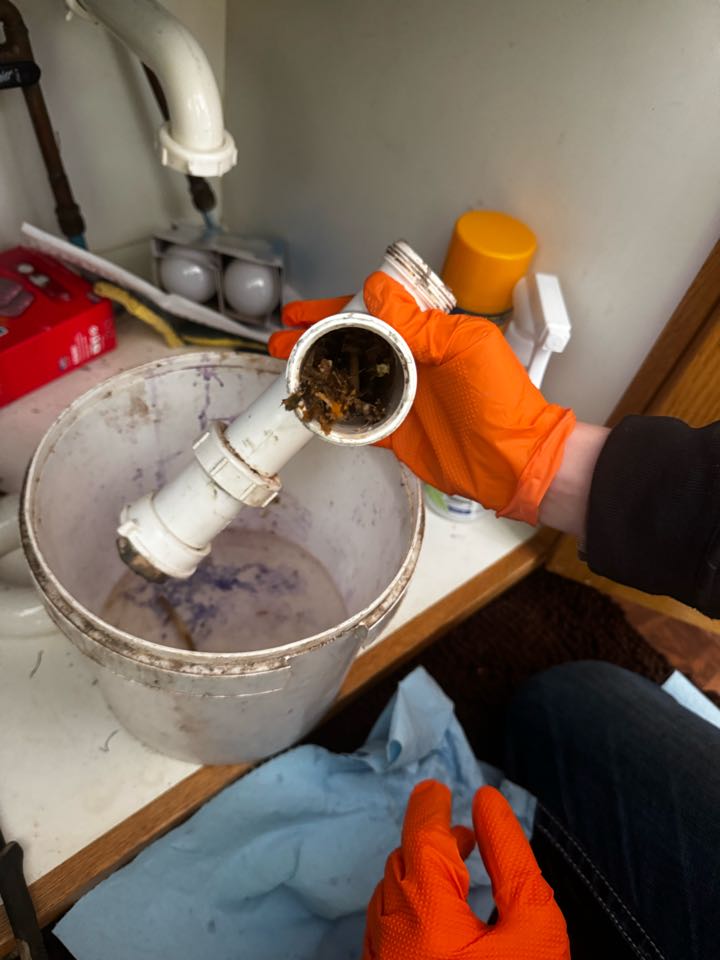
1. Persistent Blockages: If your drains keep clogging despite your best efforts, it may be a sign of deeper issues, such as ice formation or root infiltration that DIY tools can’t address.
Professionals have access to specialized equipment that can pinpoint and resolve these hidden problems.
2. Unusual Odors: Strange smells emanating from your drains can indicate trapped debris or potential sewer line issues.
In colder climates, these odors may worsen during winter, making it essential for experts to accurately diagnose and rectify the underlying causes.
3. Water Damage: Water stains or damp spots around your drainage system can suggest leaks or blockages.
In regions with fluctuating temperatures, the risk of pipes freezing and bursting increases, so it’s critical to have an expert assess and repair any damage before it leads to more extensive issues.
Don’t hesitate to call a professional when these signs appear.
Addressing drainage problems promptly will help ensure your system remains efficient and resilient throughout the winter months.
Conclusion
Taking care of your drainage system during the winter months is vital to avoid headaches and costly repairs, especially in regions prone to heavy snowfall and freezing temperatures. Regularly clearing gutters of snow and ice, inspecting pipes for blockages, and utilizing appropriate tools can help prevent ice-related damage and ensure proper water flow. In areas where freeze-thaw cycles are common, it’s especially important to be vigilant about maintenance, as these cycles can lead to significant stress on drainage components. Don’t wait for a problem to arise; being proactive with your maintenance can save you from future troubles. If you notice any potential issues or feel uncertain about your system’s condition, it is wise to seek the expertise of a local professional. The integrity of your home relies on a well-maintained drainage system, particularly in winter.